
Quick answer: Coffee beans can be too fresh. Right after roasting they are still degassing, releasing trapped CO2 that disrupts extraction and makes the cup less predictable. Most beans taste best after resting: roughly a week or so for pour-over and French press, and around two to four weeks for espresso. Store them airtight while they rest.
If you always buy the bag with the newest roast date, get a huge bloom, and still brew bland or unpredictable coffee, the beans may simply be too fresh. Freshly roasted beans need time to release the carbon dioxide trapped inside them during roasting. Here’s why, how long to wait, and how to store beans while they rest.
In this guide 4 sections
What is coffee degassing, and why isn’t fresh always best?
When shopping for coffee beans I always recommend you drink coffee that is not too close to the roast date. Usually, you want to wait a few days and ideally a week or more to drink your coffee. Think of it like letting a steak rest after cooking.
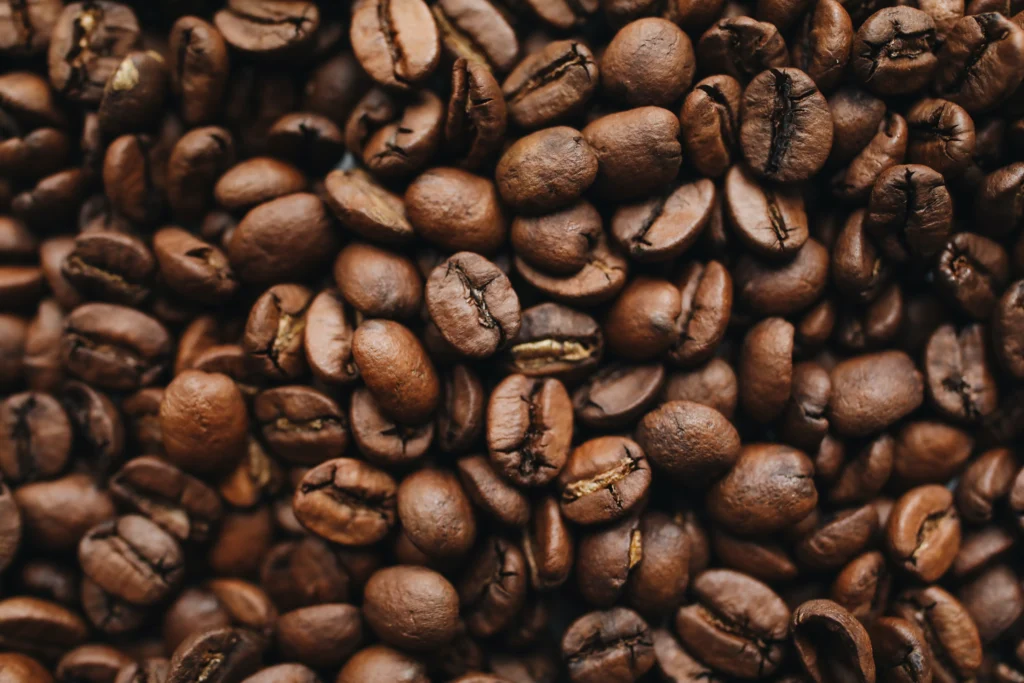
Freshly roasted coffee beans have CO2 that is trapped inside the bean during the roasting process that can affect how the bean tastes when brewed.
How long to wait depends on how you brew. A common rule of thumb is around 10 days for pour-over and French press, and 14–28 days (sometimes longer) for espresso, where gas in the puck causes the most trouble. Light roasts generally need longer than dark roasts, which degas faster.
This doesn’t mean your coffee will taste bad if you brew them immediately after roasting, but it is less predictable because of the CO2. Usually, super fresh coffee lacks clarity and the accentuated sweetness that some people desire from a cup of coffee. The escaping CO2 is what you see as the bloom; while it’s bubbling out, it pushes water away from the grounds and can prevent full, even extraction.
Why do coffee bags have one-way valves?
This CO2 slowly leaves the coffee beans after roasting and this happens even when the coffee beans are inside the bag. Sometimes you can see coffee bags with circular plastic valves on the bags. These are one-way air valves that let the CO2 inside the bag go out but do not let any air from the outside of the bag go in. These are crucial for keeping your coffee beans fresh and for fresh coffee beans to degas.
These air valves prevent the coffee bags from exploding and lets your beans degas. This has the additional benefit of preventing oxygen from interacting with your beans and oxidizing them.
Look for this valve when you buy coffee. A bag without one either has to let the gas out some other way, which lets air in, or the beans were packed after most degassing had finished. Some roasters also flush bags with nitrogen, which doesn’t react with the coffee, to push out oxygen.
This is especially the case with ground coffee because there is more surface area to oxidize. When you open a bag of ground coffee and it does not have this one-way valve you should transfer it to an air-tight container with preferably a way to remove all the oxygen.
Dark roasted coffee is also especially susceptible to oxygen exposure because the roasting process goes on for a longer period of time. This breaks down the cellular structure of the bean more exposing the tasty coffee oils and dark chocolate flavors. However, this also decreases the shelf life these flavors persist for and oxygen can destroy these flavor compounds so you have to keep them safe in an air-tight container!
Light roasted coffees usually last for a longer time because the cell structure is still intact and can still contain the coffee flavors.
How does oxidation affect roasted coffee?
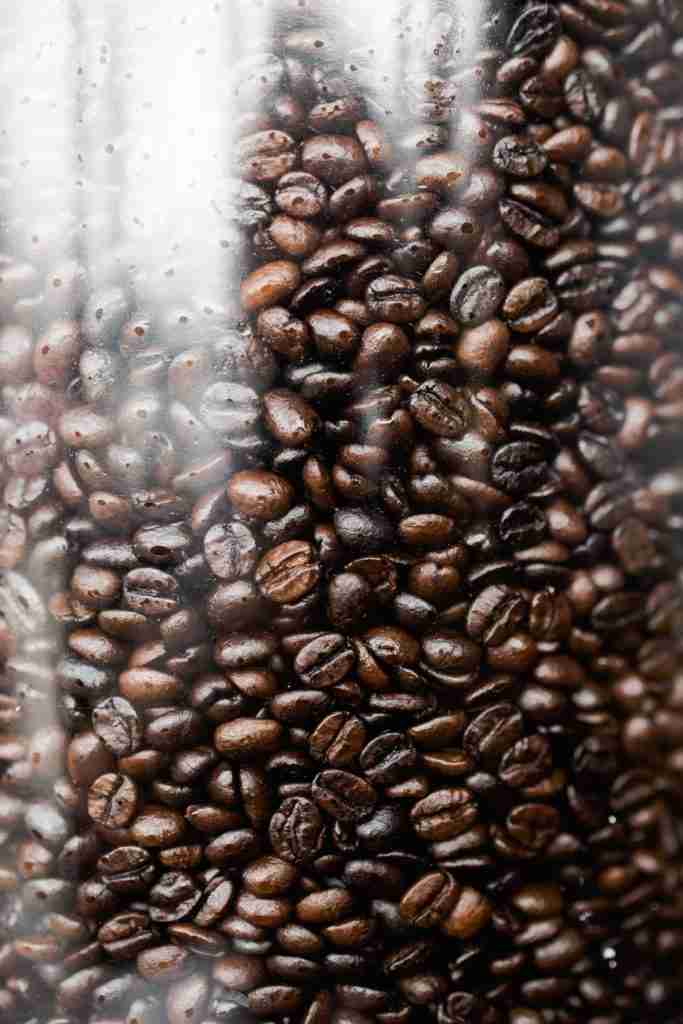
Coffee beans start oxidizing once they get out of the roaster. This is why it is so important to properly store your coffee beans.
That lovely smell from a bag of beans is aroma compounds escaping, and over time oxygen reacts with the oils and aromatics that remain. Together they slowly flatten the flavour, whether or not you brew.
Kept dry, coffee beans don’t spoil quickly; they just lose flavour. So while your beans rest, keep them airtight, away from heat and light. For timelines and storage tips, see how long coffee stays fresh, can coffee go bad? and freezing coffee beans.
When is the best time to brew your beans?
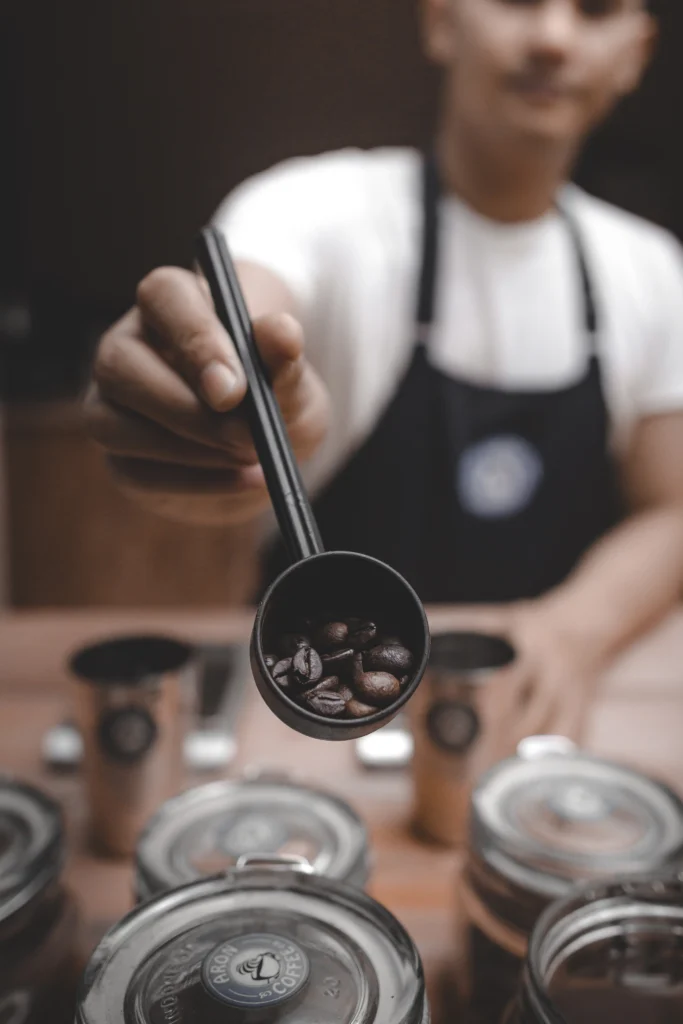
It is always important to experiment. The amount of time you should wait depends on a lot of factors like the roaster, roast profile, brewing equipment, set up, and your own preferences.
Half the fun of coffee is experimenting to find out what you like. Generally, I have found that coffee tastes best before the 6-week mark after roasting. Past that point you may taste a difference, although the coffee is still safe to drink. Brew a bag across its life and note when it tastes best to you.
Frequently asked questions
How long should coffee beans rest after roasting?
A common rule of thumb is around 10 days for filter brewing and 14–28 days for espresso. Dark roasts often need less time, light roasts more. Taste is the final test.
Can you brew coffee the day it’s roasted?
You can, and it won’t taste bad as such, but the heavy degassing makes extraction less predictable, and the cup often lacks clarity and sweetness. A longer bloom helps if you do.
Does a big bloom mean the coffee is good?
It means the coffee is fresh, not necessarily that it’s at its best. A very vigorous bloom can be a sign the beans would benefit from a few more days’ rest.