
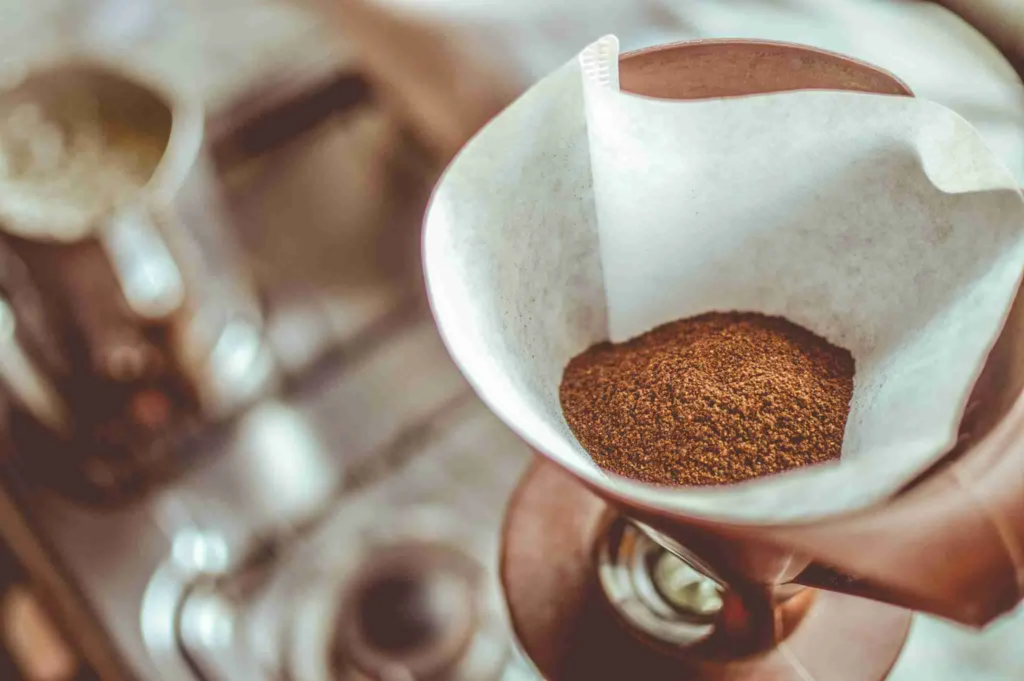
Quick answer: The best uses for used coffee grounds are composting, working a thin layer into garden soil, scrubbing pots, absorbing odors, making a body scrub or meat rub, growing mushrooms and crafts like dyeing paper. Skip the popular myths: don’t pour grounds down the drain, and don’t rub them on pets, since caffeine is toxic to dogs and cats.
If you make coffee at home every day, you end up with a lot of used grounds. Here are 18 practical uses for them, plus two popular “hacks” you should skip.
In this guide 20 sections
- 1. Fertilize your Garden
- 2. Composting
- 3. Slug Control (Use Brewed Coffee, Not Grounds)
- 4. Burn Dried Grounds Outdoors
- 5. Scour Pots and Pans
- 6. Exfoliate Your Face
- 7. Neutralize Odors
- 8. Meat Rub and Marinade
- 9. Use Coffee As Dye
- 10. Grow Mushrooms
- 11. Body Scrub for Rough Skin
- 12. Scalp Scrub
- 13. Coffee Face Mask
- 14. Coffee Grounds for Cleaning
- 15. Create Antique Looking Paper
- 16. Create a Worm Bed
- 17. Use Them for Baking
- 18. Make a Coffee Air Freshener
- Two coffee-ground “hacks” to skip
- Frequently asked questions
1. Fertilize your Garden
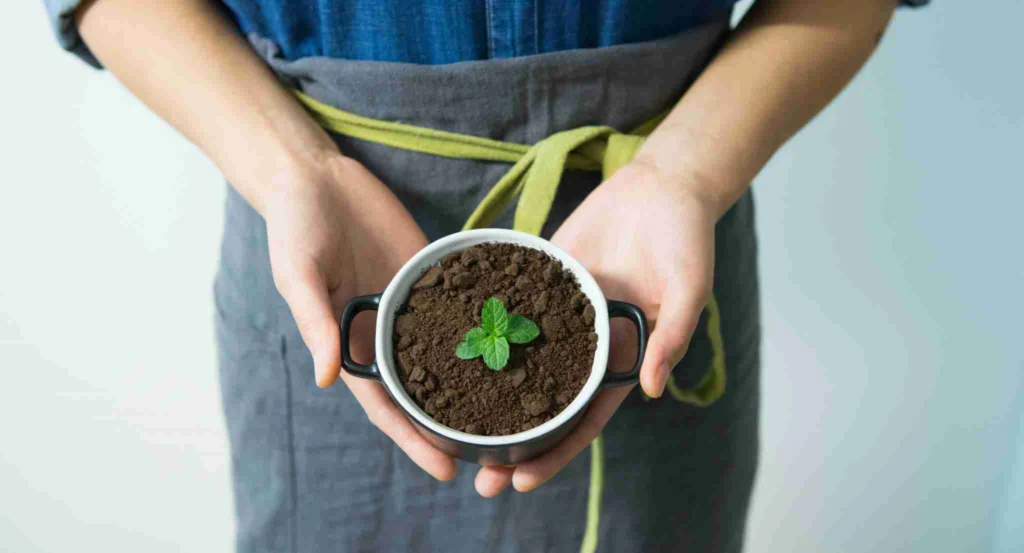
Used coffee grounds add organic matter and some nitrogen to soil.
A common myth is that grounds make soil acidic. According to Oregon State University Extension, used grounds are close to neutral (around pH 6.5 to 6.8), so they won’t meaningfully acidify soil for blueberries or azaleas. OSU suggests working in about half an inch of grounds to a depth of 4 inches, or covering them with leaves or bark mulch. Don’t pile them on thickly: too much can temporarily tie up nitrogen and may hold back seed germination.
Composting them first (below) is the safer route. If you are familiar with composting they are considered a “green” nitrogen-rich organic material. Make sure to balance the coffee grounds with enough “browns” like dried leaves, wood, and newspaper. Small insects help break down this compost mix and turn it into a fertilizer that is safe for plants.
2. Composting
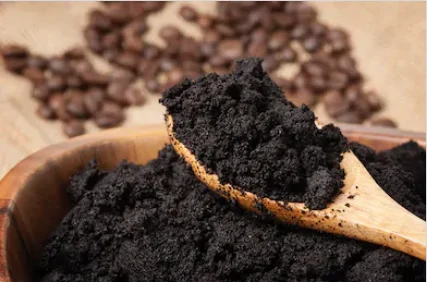
Worms love coffee grounds and that makes them a perfect candidate for composting. It is a natural process that turns your organic scraps into compost or humus. This can be used or stored.
By adding compost to your garden it can help soil and plants hold into nutrients and water. It has been proven that adding compost improves the health of your plants. Another study showed that compost made with coffee grounds was actually richer in nutrients than regular food wastes.
Don’t overdo it: OSU Extension recommends keeping coffee grounds to no more than about 20% of a compost pile’s volume.
3. Slug Control (Use Brewed Coffee, Not Grounds)
The idea that a ring of grounds repels slugs is mostly anecdotal. What has research behind it is caffeine: Oregon State University Extension cites studies in which a caffeine solution drove slugs out of treated soil, and suggests using leftover brewed coffee diluted with water as a soil drench. Test a few leaves first, since stronger solutions can burn foliage.
4. Burn Dried Grounds Outdoors
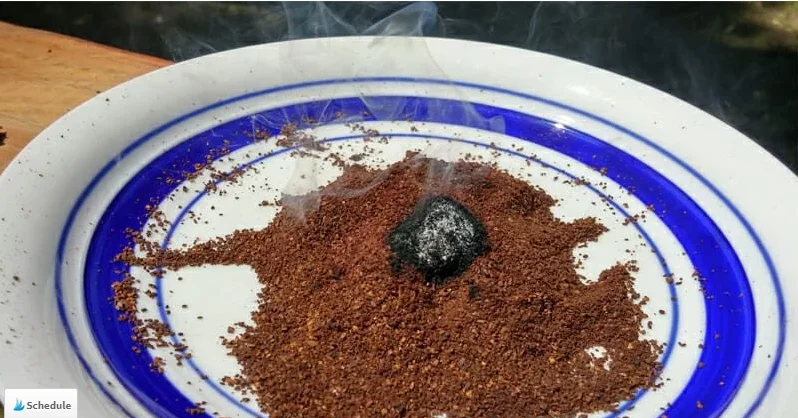
Some people burn dried coffee grounds like incense on a patio, hoping the smoke keeps mosquitoes and other flying insects away. There is little evidence it works as a repellent, so don’t rely on it where mosquito-borne disease is a concern. If you try it, do it outdoors in a fireproof dish and never leave it unattended.
5. Scour Pots and Pans
Damp grounds make a gritty scrub for caked-on food on pots, pans and grill grates. Test on a small area first, and skip delicate non-stick coatings.
6. Exfoliate Your Face
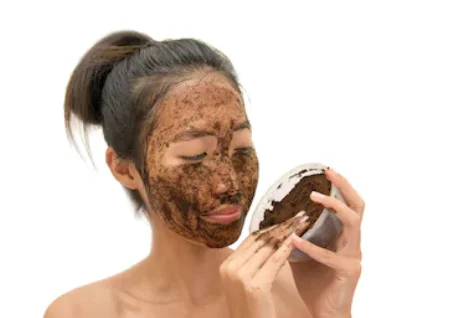
If you coarsely grind your coffee it is great as an exfoliant. Grounds from a French press are coarse, which is ideal. Our coffee scrub guide has more recipes.
Coffee scrubs can be made easily. All you have to do is mix 1/2 cup coffee grounds and 1/2 cup of sugar with 1/4 cup of coconut oil. Shake up or mix this mixture then it is ready.
Alternatively, you can melt a bar of regular soap and then add your coffee grounds and reshape the bar. It gives your bar of soap great scrubbing and exfoliating power.
When you want to use this just rub it into wet skin and rinse it off to have smooth exfoliated skin.
7. Neutralize Odors
Dried coffee grounds can help absorb odors, and their own smell masks others.
You can place a bowl of coffee grounds wherever to help absorb and eliminate the smells. For example, you can place these in your shoes, drawers, and in your car.
8. Meat Rub and Marinade
You can pair your meats with coffee. The acidic nature of coffee grounds can be used to marinate meat. Coffee is an ingredient that is used in a lot of sauces. You can mix coffee grounds with some spices to make a meat rub.
A coffee rub adds a deep, roasty flavor and helps form a dark crust on steaks and brisket. For more ideas, see cooking with coffee.
9. Use Coffee As Dye
When you are making your Easter Eggs you can make your eggs look “patinaed”. All you have to do is soak the eggs in water with 1 tablespoon of vinegar to 1 cup of coffee grounds.
This turns the eggs light to dark brown depending on how long you leave the eggs in.
By rewetting coffee grounds, you can also use it as a dye as well for fabrics and other things. It can give a piece of wood a great dark stain. By making the coffee grounds into a paste you can use it to buff out scratches while keeping your wood dyed brown.
10. Grow Mushrooms
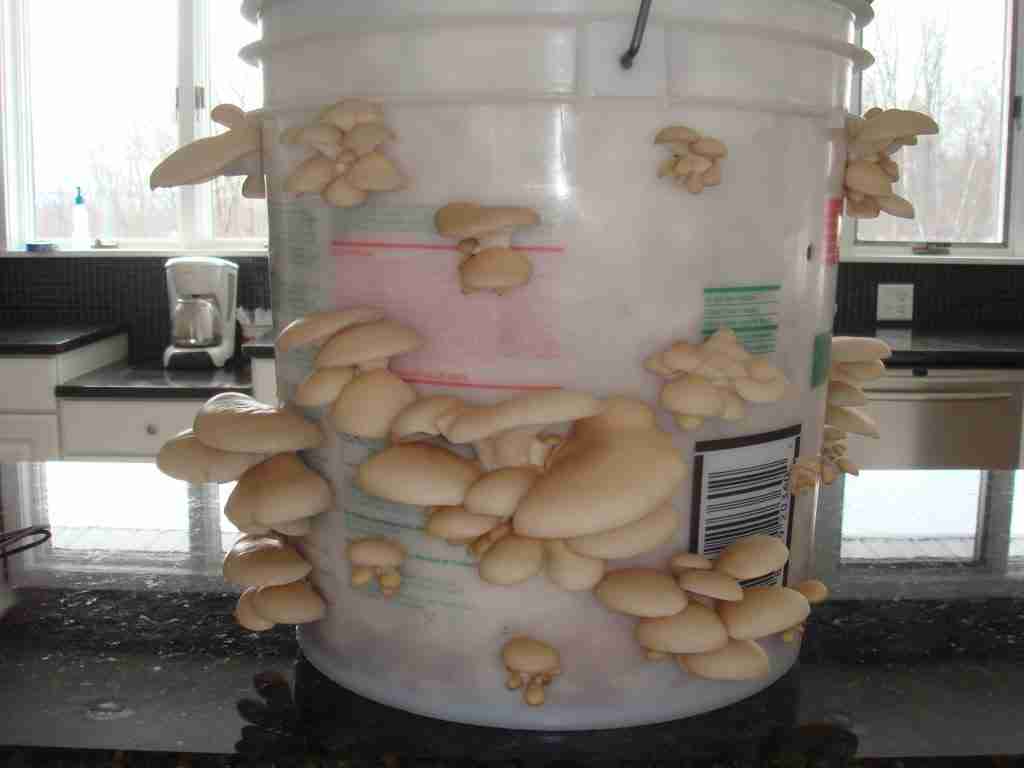
Surprisingly coffee grounds are a great medium to grow mushroom. All you need to do is fill a bucket with coffee grounds and some mushroom spores.
You can dry the coffee grounds and keep them in the refrigerator so they don’t get moldy. Once you have a bucket full you can fill up the bucket and add some water and drain it out. Then you mix mushroom spawn and stir it through the coffee grounds. Next, drill holes in the side of the bucket.
Just keep the coffee grounds moist for a few days and you should start seeing some white. This is not mold, it is mushroom mycelium. Soon you should see some young mushrooms emerge and grow into mature mushrooms.
11. Body Scrub for Rough Skin
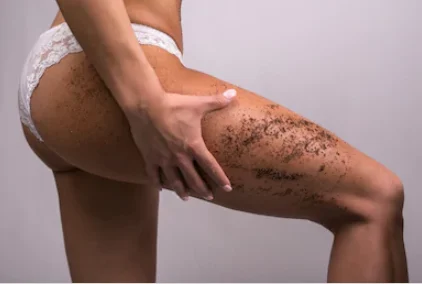
Caffeine is a common ingredient in “anti-cellulite” creams, but there is little good evidence that a coffee scrub reduces cellulite. What a scrub of grounds mixed with coconut oil does do is exfoliate and leave skin feeling smoother for a while. Be gentle, and stop if your skin gets irritated.
12. Scalp Scrub
Some people use a small amount of grounds to exfoliate the scalp and remove product build-up. Lab studies have looked at caffeine’s effects on hair follicles, but there is no good evidence that rubbing coffee grounds on your scalp makes hair grow. Rinse thoroughly, since grounds are hard to wash out of thick hair.
13. Coffee Face Mask
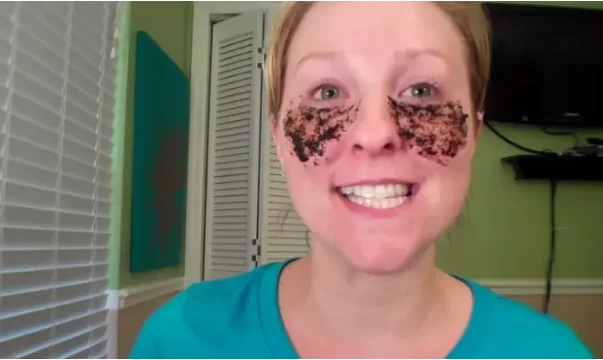
Caffeine appears in many under-eye creams, but a gritty coffee-ground mask is not a proven treatment for eye bags, and you should keep grounds away from your eyes. If you like the feel, use a smooth paste of fine grounds and coconut oil on your face, leave it a few minutes and rinse it off gently.
14. Coffee Grounds for Cleaning
Coffee grounds have a multitude of uses for cleaning. Here are some of the popular uses.
You can use them to clean ashes from a wood-burning fireplace. The coffee grounds can be used to cover the ashes like a blanket thus weighing them down and preventing the small particles from lifting up into the air. This makes it easier to remove and prevents dust from escaping into other places in the house.
15. Create Antique Looking Paper
Coffee can be used in arts and crafts to make coffee-stained paper that looks like an antique piece of parchment paper.
Just use a baking tray and put a piece of paper into it. Submerge it into some coffee and pour the coffee grounds in as well. The grounds give the dying inconsistencies to make it look weathered and realistic. You can also crumple up the paper before you dunk it to give it a really vintage look.
Then use a hairdryer to dry the piece of paper on high heat. The result will be a brown piece of seemingly vintage parchment paper.
16. Create a Worm Bed
If you are a fisherman who needs worms as bait you can create a high producing worm bed with your coffee grounds.
While they might not be the most appealing pets they are great for bait and gardening. Worms can turn the soil and fertilize it at the same time.
Worms are attracted to coffee grounds because of all the good nutrients inside of them. By adding some coffee grounds into a pile and adding some worms you could cultivate a nice worm farm for bait and have compost for your garden.
17. Use Them for Baking
There is a multitude of recipes that require coffee grounds as an ingredient. Some of these recipes are listed here:
I have only listed a few, but there are thousands of recipes out there that use coffee grounds. By using already brewed coffee grounds you will have a result that is less bitter and has less caffeine, but that may be desirable with some recipes.
18. Make a Coffee Air Freshener
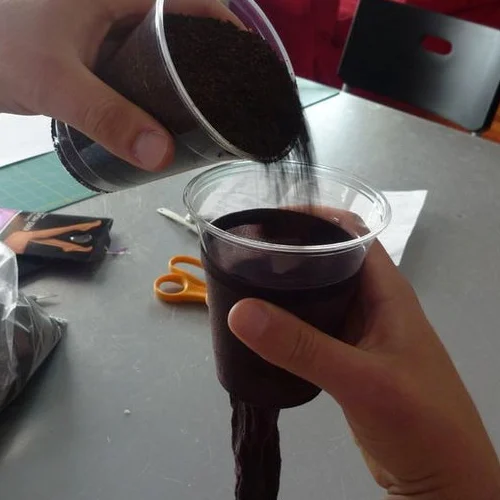
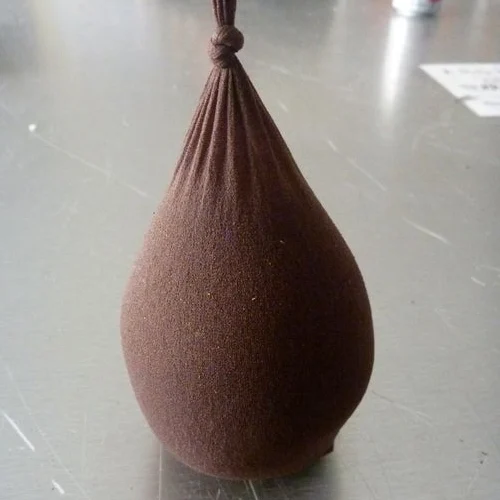
If you really love the smell of coffee you can use coffee as an air freshener. We already told you that coffee neutralizes odors, and here I will teach you how to create an aromatic coffee-scented air freshener.
All you have to do is pour coffee grounds into a stocking and tie it off into a ball. The stocking should be thin enough to let the smell out of the bag, but not let any grounds out. You can hang this stocking ball anywhere you like to bring the scent of coffee around with you.
Two coffee-ground “hacks” to skip

Pouring grounds down the drain
Coffee grounds don’t dissolve. They clump with grease and can build up in pipes, so don’t pour them down the sink or use them to “clean” a drain or garbage disposal. Bin or compost them instead; here is why coffee grounds don’t belong in the sink.
Rubbing grounds on pets for fleas
Caffeine is toxic to dogs and cats, and pets lick their fur, so don’t rub coffee grounds into it. The ASPCA lists coffee and caffeine among foods to keep away from pets; see also can dogs have coffee? Ask your vet about flea treatment.
Gritty grounds sprinkled on an icy path can add a little traction, but they don’t melt ice and they track dark stains indoors.
Frequently asked questions
Are coffee grounds good for plants?
In moderation. Used grounds add organic matter and are best composted or worked thinly into soil. They are close to pH neutral, so they won’t acidify soil, and thick layers can hold back seedlings.
Can I put coffee grounds down the sink?
No. Grounds don’t dissolve and can combine with grease to clog pipes. Put them in the trash or the compost.
Do coffee grounds repel pests?
The evidence for grounds is weak and mostly anecdotal. Diluted brewed coffee, which contains more caffeine, has more support as a slug deterrent.
Short on grounds? Brew another pot: here is how to make French press coffee or an Americano.