

Quick answer: For most healthy adults, yes. Large reviews link moderate coffee drinking (about 3 to 5 cups a day) with lower risk of type 2 diabetes, heart disease, liver conditions and early death. Most of this evidence is observational, so it shows association, not proof. Keep caffeine near or under the FDA’s 400 mg/day figure, go easy on sugar, and limit it in pregnancy.
Coffee used to be blamed for everything from heart disease to stunted growth. Newer research is far kinder to it, but the honest picture has limits as well as benefits. This page sums up what the evidence supports and links to our more detailed guides.
In this guide 15 sections
- What does the research say about coffee and health?
- 1. Coffee improves alertness and focus
- 2. Does coffee help you burn fat?
- 3. Coffee contains antioxidants and some nutrients
- 4. Caffeine can improve exercise performance
- 5. Is coffee linked to lower cancer risk?
- 6. Coffee and heart health
- 7. Coffee and your liver
- 8. Lower risk of type 2 diabetes
- 9. Brain health: Alzheimer’s and Parkinson’s disease
- 10. Coffee drinkers tend to live longer
- 11. Coffee and mood
- When is coffee not good for you?
- More on coffee and your health
- Frequently asked questions
What does the research say about coffee and health?
The biggest overview so far, an umbrella review of over 200 meta-analyses in the BMJ, found coffee was “more often associated with benefit than harm.” The largest risk reductions showed up at three to four cups a day, compared with none. The authors also said that randomised trials are needed to show whether coffee itself causes these effects.
Harvard T.H. Chan School of Public Health reaches a similar view: 3 to 5 standard cups a day has been “consistently associated with a reduced risk of several chronic diseases.” Harvard also notes that decaf appears to offer similar benefits, which suggests caffeine isn’t the only active ingredient.
| Health outcome | What the evidence shows |
|---|---|
| Type 2 diabetes | Habitual coffee drinkers have lower risk than non-drinkers (Harvard) |
| Heart disease and stroke | Regular drinking may lower risk; 3–4 cups/day linked to lower cardiovascular risk (BMJ review) |
| Liver | Linked to lower risk of liver conditions and liver cancer (BMJ review, Harvard) |
| Parkinson’s disease | Higher caffeine intake associated with lower risk (Harvard) |
| Depression | Under 6 cups/day associated with lower risk (Harvard) |
| Early death | 3–5 cups/day linked to about 15% lower risk of early death (Harvard) |
| Pregnancy | High intake linked to low birth weight and pregnancy loss (BMJ review) |
1. Coffee improves alertness and focus

Caffeine works by blocking adenosine, a brain chemical that builds up during the day and makes you feel sleepy. MedlinePlus describes caffeine as a central nervous system stimulant that can make you feel more awake. The International Society of Sports Nutrition also found it improves attention and vigilance in most people. How much caffeine you get depends on the brew; see how much caffeine is in coffee.
2. Does coffee help you burn fat?
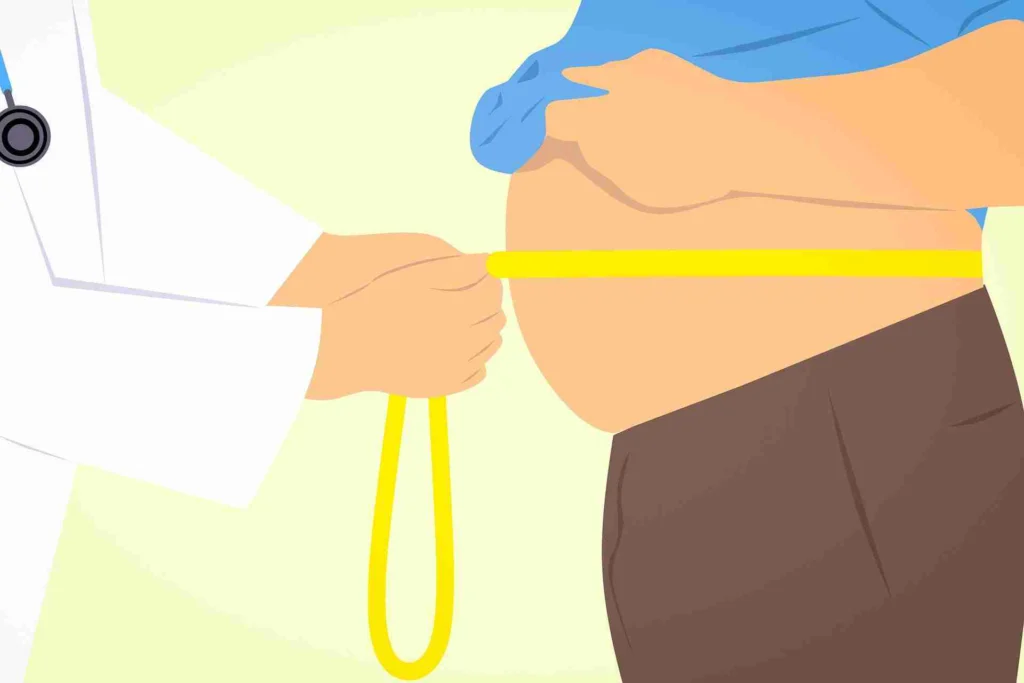
Caffeine nudges metabolism up a little, and a 2019 meta-analysis of 13 small trials found that caffeine intake might promote modest reductions in weight and body fat. That isn’t a weight-loss plan, though, and sugary coffee drinks can easily cancel out any effect. Our guide to coffee and weight loss goes into the details.
3. Coffee contains antioxidants and some nutrients
Coffee contains polyphenols such as chlorogenic acid, plus small amounts of B vitamins and minerals. A single cup isn’t a meaningful source of vitamins, but because so many people drink it daily, it adds to overall polyphenol intake.

4. Caffeine can improve exercise performance

The ISSN position stand concludes that caffeine improves physical performance in both trained and untrained people. The doses studied are typically 3–6 mg per kg of body weight. If you’re sensitive to caffeine, watch for poor sleep and anxiety.
5. Is coffee linked to lower cancer risk?
According to the BMJ review, high versus low coffee intake was associated with an 18% lower risk of developing cancer overall, along with lower risk of several specific cancers. Harvard notes that coffee may reduce the risk of endometrial and liver cancer. These are associations from observational studies, so coffee shouldn’t be thought of as cancer prevention.
6. Coffee and heart health

Regular coffee drinking is linked to lower risk of heart disease and stroke, according to Harvard. Two caveats apply. Caffeine can raise blood pressure, so Harvard suggests that people who struggle to control their blood pressure moderate their intake. Unfiltered coffee (French press, boiled or Turkish) contains diterpenes that can raise LDL cholesterol. Our guide to brewing the healthiest coffee explains why a paper filter helps.
7. Coffee and your liver
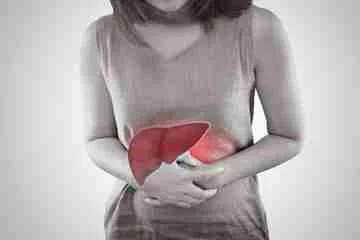
The BMJ umbrella review found coffee consumption associated with lower risk of several liver conditions, including liver cancer. Coffee does not “cleanse” the liver, and it won’t undo heavy drinking. If you have liver disease, ask your doctor what is appropriate for you.
8. Lower risk of type 2 diabetes
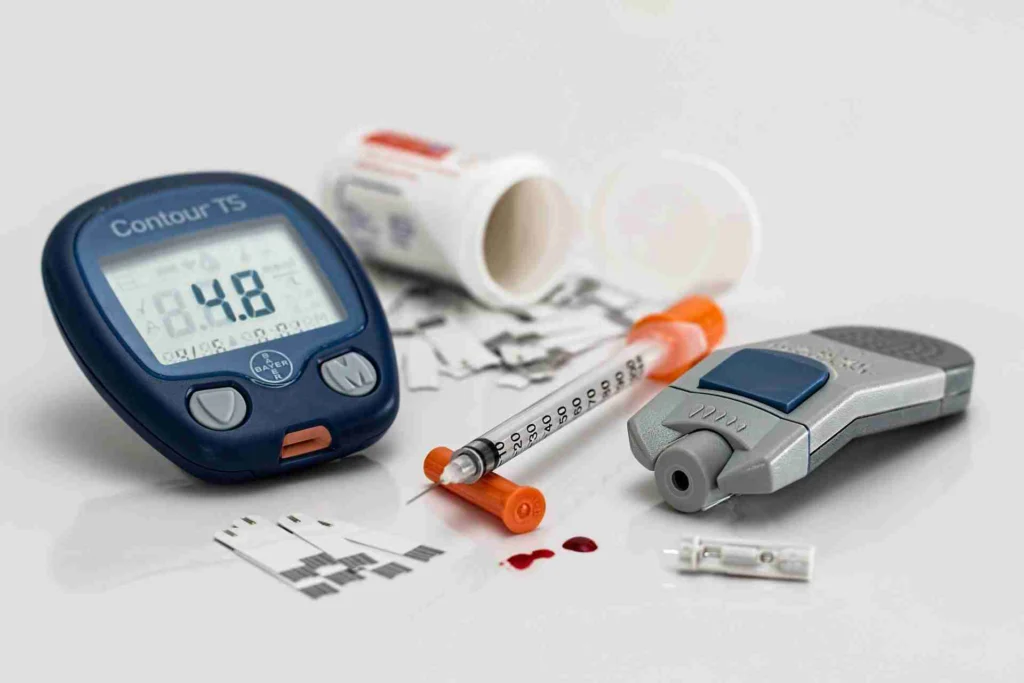
Habitual coffee drinkers have a lower risk of developing type 2 diabetes than non-drinkers, according to Harvard, though caffeine can raise blood sugar in the short term. The benefit is linked to plain coffee, not drinks loaded with syrup and sugar.
9. Brain health: Alzheimer’s and Parkinson’s disease

Higher caffeine intake is associated with a lower risk of Parkinson’s disease (Harvard). For Alzheimer’s disease, Harvard notes that randomised trials testing a protective effect are not yet available, so it’s too early to say coffee protects against dementia. More isn’t better here either: a large UK Biobank study linked more than 6 cups a day with higher odds of dementia than 1–2 cups.
10. Coffee drinkers tend to live longer

In a study of about 400,000 older US adults in the New England Journal of Medicine, coffee drinking was associated with lower total mortality after adjusting for smoking. The authors stressed they could not tell whether the link was causal. Harvard reports that people drinking 3–5 cups daily were about 15% less likely to die early. We cover the habit itself in drinking coffee every day.
11. Coffee and mood

Moderate intake of under 6 cups a day has been associated with lower risk of depression (Harvard). In a 10-year study of more than 50,000 women, those drinking 4 or more cups of caffeinated coffee a day had about 20% lower risk of depression than those drinking one cup or less a week. Coffee does not treat depression. If you are struggling, please talk to a health professional.
When is coffee not good for you?

- Too much caffeine. The FDA cites 400 mg a day for healthy adults as an amount not generally associated with negative effects. That’s roughly two to three 12-ounce cups of brewed coffee. More can cause jitters, a racing heart, anxiety and poor sleep. See how much coffee is too much.
- Pregnancy. ACOG advises keeping caffeine under 200 mg a day. Read coffee during pregnancy.
- Health conditions and medicines. MedlinePlus suggests checking with your provider if you have anxiety, sleep problems, GERD or ulcers, heart rhythm problems or high blood pressure, or if you take certain medicines.
- Children and teens should have less caffeine than adults (MedlinePlus).
- Added sugar and cream can quickly outweigh the benefits of plain black coffee (Harvard).
More on coffee and your health
Benefits and everyday habits:
- Health benefits of black coffee
- Is it good to drink coffee every day?
- How to brew the healthiest coffee
- Coffee for men: what the evidence says
- Coffee for women: benefits and precautions
- Does coffee help you lose weight?
- Lemon coffee: what it can and can’t do
- Green coffee beans
- What is Bulletproof coffee?
- CBD coffee
Caffeine, limits and side effects:
- How much caffeine is in coffee
- How much coffee is too much?
- Signs you’re addicted to coffee
- Coffee during pregnancy
- What coffee does in your body
- How long 2 cups of coffee stay in your system
- Caffeine crash
- Is coffee a diuretic?
- Coffee and bloating
- Does coffee stunt your growth?
- Coffee and studying
- Coffee naps
- Coffee after dinner
- Can dogs drink coffee?
Frequently asked questions
How many cups of coffee a day is healthy?
Research links the biggest benefits to about 3–5 cups a day, according to Harvard and the BMJ umbrella review. The FDA cites 400 mg of caffeine a day, roughly two to three 12-ounce cups, as generally safe for healthy adults. Cup size and brew strength vary a lot, so count milligrams rather than cups.
Is decaf coffee good for you?
Harvard notes that decaf appears to offer similar health benefits to regular coffee and is a good option if you’re sensitive to caffeine. It still contains a little caffeine: the FDA puts it at about 2–15 mg per 8-ounce cup.
Is black coffee healthier than coffee with milk and sugar?
Plain coffee is almost calorie-free. Harvard warns that the extra sugar and fat in coffeehouse drinks may offset the benefits found in basic black coffee. A splash of milk is fine; a large sweetened drink every day is a different matter.
Is coffee safe during pregnancy?
ACOG says moderate caffeine intake (under 200 mg a day) does not appear to cause miscarriage or preterm birth. That’s about one 12-ounce cup of coffee. Talk to your midwife or doctor about your own intake.
This article is for general information and isn’t medical advice.
It’s great to learn that coffee can help increase the intense physical exertion your body produces. My brother is wanting to prepare better for the football season and he was wondering how he could become more physically fit when he practices. I’ll be sure to tell him to try drinking coffee before he works out.
It’s fantastic to learn that coffee can increase the fat burning process for you. My wife is wanting to lose a lot of weight and she was wondering how she could burn the fat off of her body quickly. I’ll be sure to tell her that she should start drinking coffee to burn her fat faster.