
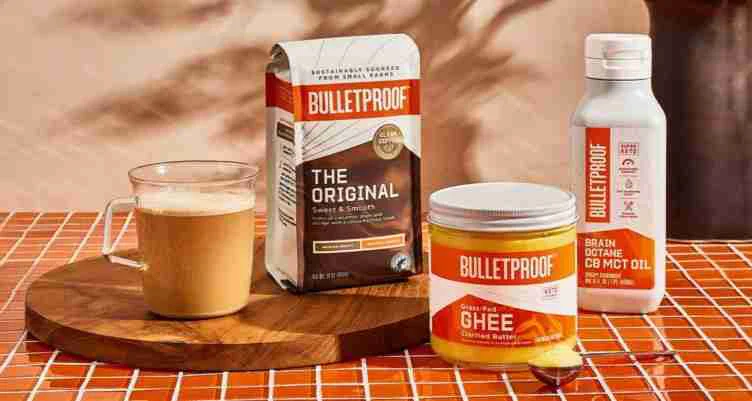
Quick answer: Bulletproof coffee is brewed coffee blended with unsalted butter (often grass-fed) and MCT oil, popularised by Bulletproof founder Dave Asprey as a breakfast replacement. Claims about weight loss and brain power aren’t backed by good evidence. Its main downside is saturated fat: one tablespoon of butter has about 7 g, almost a third of a day’s limit, according to MedlinePlus.

Bulletproof coffee became a staple of low-carb and keto diets, and you’ll still see it in cafés and on supermarket shelves. Here’s what goes into it, what the evidence says about the health claims, and who should think twice.
In this guide 5 sections
What is bulletproof coffee?
The basic recipe is hot brewed coffee blended with unsalted butter and medium-chain triglyceride (MCT) oil until it is creamy. Dave Asprey, who founded the Bulletproof brand, popularised it as a filling replacement for breakfast. People on low-carb or ketogenic diets like it because it adds fat and calories without carbohydrates.
Are there benefits to bulletproof coffee?
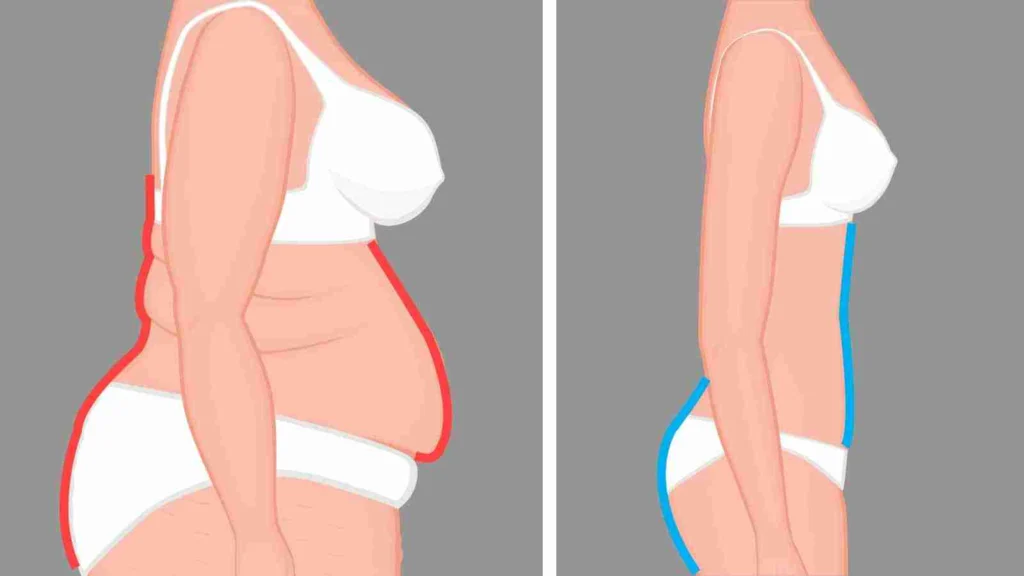
Fans say it keeps them full, gives steady energy, helps weight loss and sharpens the mind. There is little good research on bulletproof coffee itself, so these claims remain unproven. The coffee provides the caffeine boost; the butter and oil mainly add calories and fat. All fats contain 9 calories per gram, according to MedlinePlus, so a fatty coffee can add a lot of calories if you drink it on top of a normal breakfast rather than instead of one.
You may also see claims that ordinary coffee is contaminated with mould toxins and that special beans are needed. For a balanced look at coffee quality and health, see our guide to the healthiest coffee.
Is bulletproof coffee bad for you?
It’s high in saturated fat
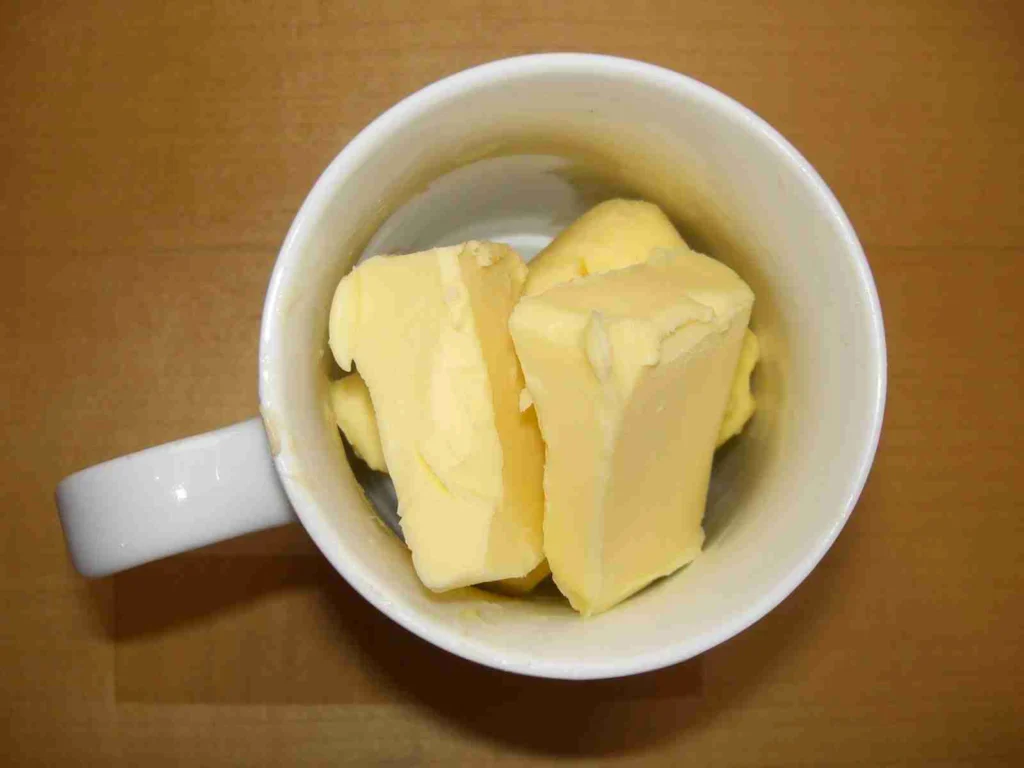
Butter is one of the richest sources of saturated fat. One tablespoon of unsalted butter has about 7 g of saturated fat (USDA). The Dietary Guidelines for Americans recommend keeping saturated fat under 10% of daily calories, which is about 22 g on a 2,000-calorie diet, according to MedlinePlus. A coffee with two tablespoons of butter uses up well over half of that before you’ve eaten anything else.
Butter can raise LDL cholesterol

MedlinePlus explains that saturated fats raise LDL (“bad”) cholesterol, which increases the risk of heart disease and stroke. In a 2018 UK trial, 94 adults ate 50 g a day of butter, coconut oil or olive oil for four weeks. LDL cholesterol rose significantly more on butter than on either coconut oil or olive oil. If you have high cholesterol or heart disease, talk to your doctor before making bulletproof coffee a habit; they may advise limiting saturated fat even further.

It can upset your stomach

A large dose of fat first thing in the morning doesn’t suit everyone. Some people report stomach upset from rich, fatty drinks or MCT oil, so start with a small amount if you want to try it. Coffee itself also stimulates the gut (see why coffee makes you poop).
It can crowd out a real breakfast
Used as a meal replacement, bulletproof coffee supplies plenty of fat but little protein, fibre, vitamins or minerals compared with a balanced breakfast.
Should you drink bulletproof coffee?
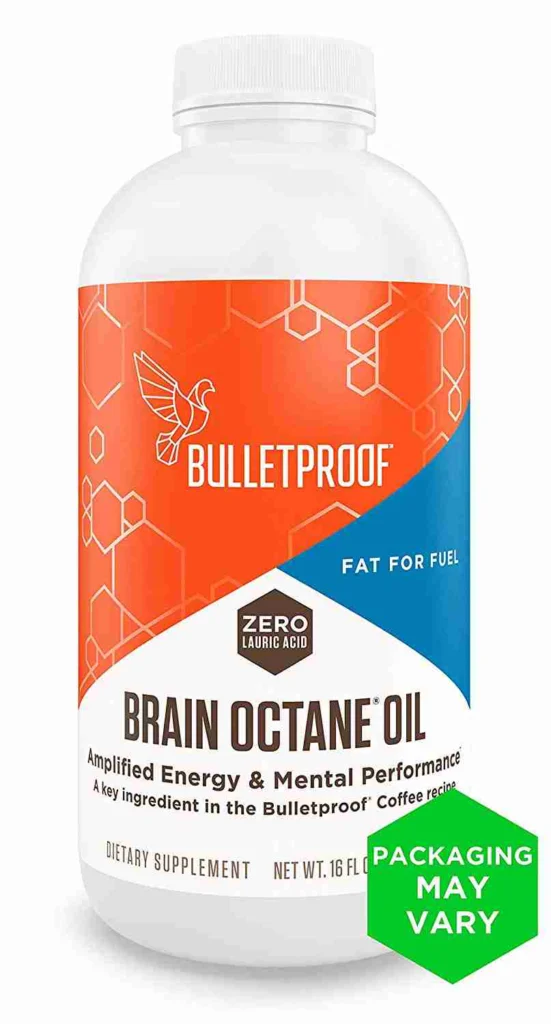
As an occasional treat it’s unlikely to matter for most healthy people. As a daily breakfast, the saturated fat adds up, and the claimed benefits aren’t proven. If you have high cholesterol, heart disease or a family history of it, it’s best avoided or discussed with your doctor. If you want to try it, the Bulletproof brand sells coffee and MCT oil; add the butter yourself:
Frequently asked questions
What is in bulletproof coffee?
Brewed coffee, unsalted butter (often grass-fed) and MCT oil, blended until frothy.
Does bulletproof coffee break a fast?
Yes, in the sense that it contains a lot of calories from fat. Whether that matters depends on why you are fasting.
Is bulletproof coffee good for weight loss?
There’s no good evidence that it helps. It is high in calories, so it only fits a weight-loss plan if it replaces other food rather than adding to it. See coffee and weight loss for more.
Plain coffee is a different story; see is coffee good for you?
This article is for general information and isn’t medical advice.
Pick a good coffee and brew it as you like, add unsalted butter to taste…welcome back to 1700’s London! The roasting process (450 to 550 F) will kill any bacteria or fungus. The other stuff, mater of faith IMO but remember kiddies, butter is just really thick cream after all.