
Quick answer: Green coffee beans are simply coffee beans that haven’t been roasted. Steeped in hot water they make a mild, herbal-tasting drink, and concentrated they are sold as green coffee extract supplements. The weight-loss claims are weak: a 2011 review found only small, poor-quality trials, and the best-known study was retracted.
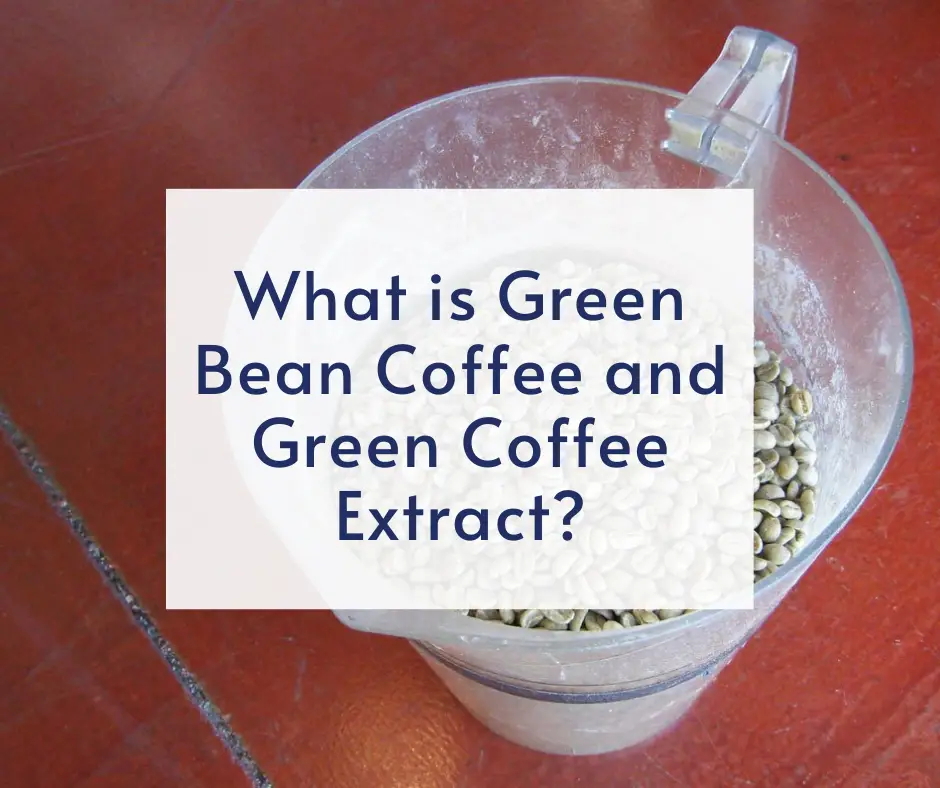
Green coffee is raw coffee: the seed of the coffee cherry before roasting. It’s popular in wellness circles because it is rich in chlorogenic acids, a group of plant compounds. Here’s how to brew it, how much caffeine to expect, and what the evidence says about green coffee extract.
In this guide 7 sections
What is green coffee bean?
Every coffee bean starts out green. Roasting is what creates coffee’s familiar brown colour, aroma and flavour. Unroasted beans are hard, grassy-smelling and taste nothing like coffee when brewed; the drink is closer to an herbal tea. Green coffee extract is a concentrated supplement made from these beans, usually standardised to its chlorogenic acid content. Chlorogenic acids are also found in many fruits and vegetables.
How do you make green bean coffee at home?
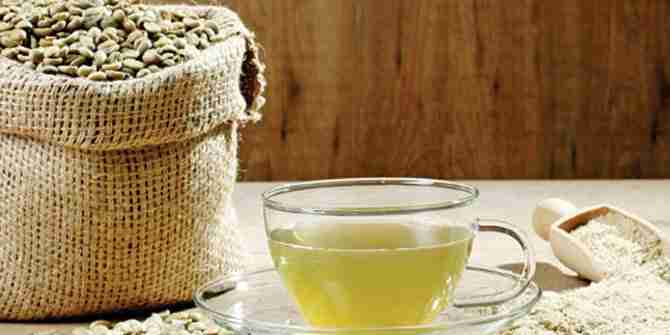
You’ll need:
- Good-quality green coffee beans
- A medium pot or saucepan
- A metal sieve or filter
- A cup
Choosing green coffee beans
Buy from a reputable roaster or green-coffee supplier, since raw beans can carry moulds if they are stored badly (more on this in our guide to the healthiest coffee). A clean, washed single-origin bean is a good choice. A little papery silver skin (chaff) still on the beans is normal.
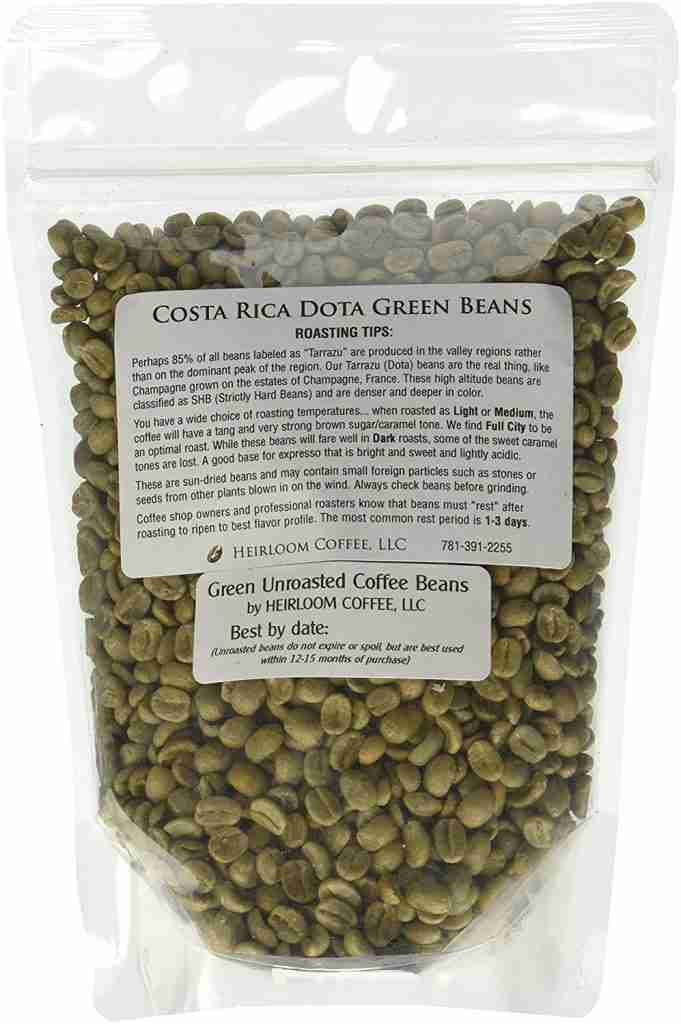
These Costa Rica Dota Estate green beans are a well-regarded option if you want to try brewing green coffee.
Step-by-step: brewing green bean coffee
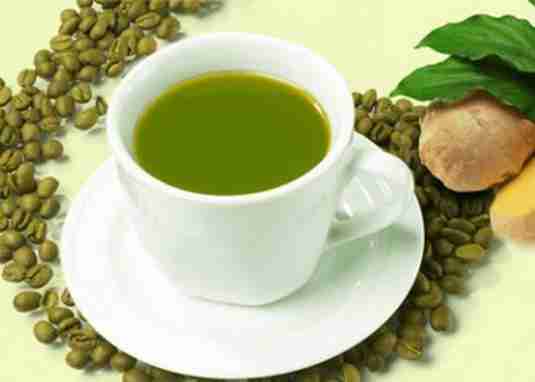
- Rinse the green beans.
- Add 1 part beans to 3 parts water in a pot (for example, 1 cup of beans to 3 cups of water). Scale up or down with the same ratio.
- Bring to a rolling boil from room temperature, then lower to a simmer.
- Simmer for about 12 minutes to start. Longer gives a more bitter, stronger drink.
- Pour through a sieve into a cup. Drink it warm, or chill it and serve over ice.
Does green coffee have caffeine?
Yes. Green beans contain caffeine, and green coffee drinks and extracts do too. How much ends up in your cup depends on the beans, how long you simmer them and, for supplements, the product, so check the label. Caffeine side effects are the same as from regular coffee: the FDA lists a fast heart rate, palpitations, insomnia, anxiety, jitters, an upset stomach, nausea and headache from too much caffeine. If you want caffeine without coffee, see our list of coffee alternatives with caffeine.
Does green coffee extract help you lose weight?
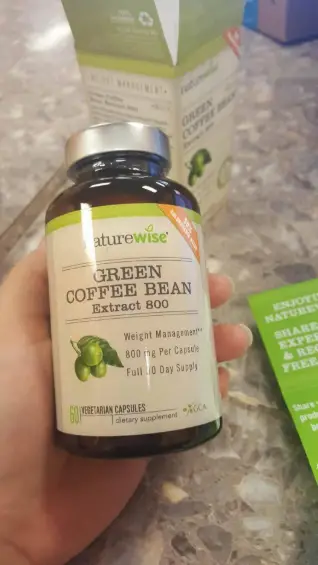
The evidence is weak. A 2011 systematic review found only three trials good enough to combine. Together they showed an average weight loss of about 2.5 kg compared with placebo, but every trial had a high risk of bias, and the authors said more rigorous studies were needed.
The study that made green coffee famous has since been retracted. It tested an ingredient called Green Coffee Antioxidant (GCA). In 2014 the US Federal Trade Commission said the study was “so hopelessly flawed that no reliable conclusions could be drawn from it”, and the ingredient’s maker agreed to pay $3.5 million to settle charges over its weight-loss claims.
For more on coffee and weight, see coffee and weight loss.
Does green coffee extract affect blood sugar or blood pressure?
There may be small effects. A 2020 meta-analysis of 10 trials found green coffee extract lowered fasting blood sugar by about 1.8 mg/dl on average, with no significant overall change in insulin. A 2019 meta-analysis of 9 trials found blood pressure fell by about 3 mmHg (systolic) and 2 mmHg (diastolic). These are modest changes, and green coffee extract is not a treatment for diabetes or high blood pressure. Talk to your doctor before using it, especially if you take medication.
Where can you buy green coffee extract?
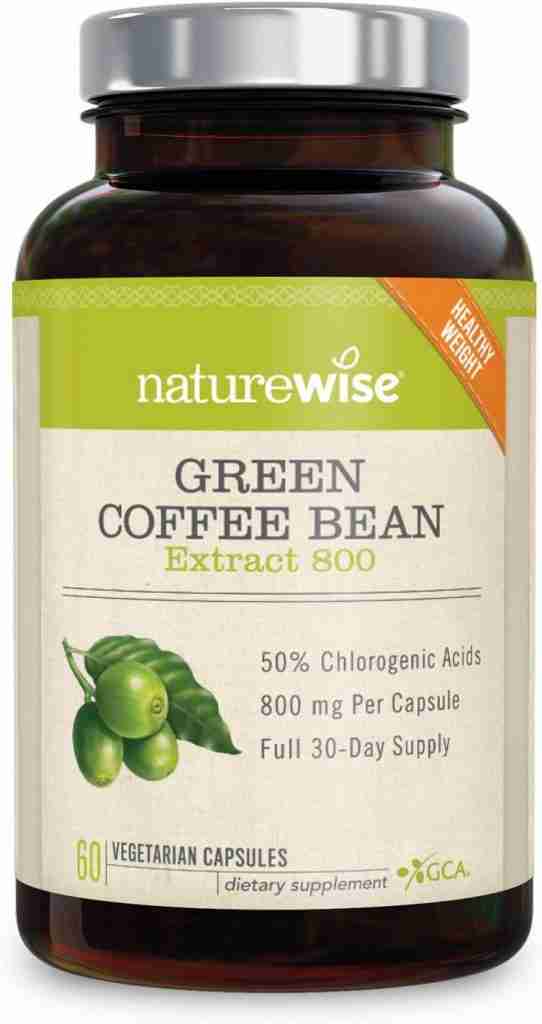
Health food stores and online retailers sell many brands. Read labels carefully: check the caffeine per capsule and be wary of products citing GCA-based weight-loss studies, given the retraction above.
NatureWise is one widely sold brand. If you are interested in this green coffee extract, check out the pricing, reviews, and details on Amazon.
Frequently asked questions
Is green coffee the same as green tea?
No. Green coffee is made from unroasted coffee beans; green tea comes from the tea plant. Both contain caffeine and are often marketed for health, but they are different plants.
Does green coffee taste like coffee?
No. Brewed green beans taste grassy and herbal, more like a tea. The flavour of coffee only develops during roasting.
Is green coffee extract safe?
It contains caffeine, so the usual caffeine side effects apply, and supplement quality varies. Check with a doctor before taking it, especially if you are pregnant, take medication or are sensitive to caffeine.
For more on coffee and health, see is coffee good for you?
This article is for general information and isn’t medical advice.