

Quick answer: Coffee’s benefits for women are mostly the same as for men: better alertness and lower risk of type 2 diabetes, heart disease and liver conditions. Studies of women specifically link regular coffee with lower risk of depression, gallstones and endometrial cancer. Women should keep caffeine under 200 mg a day in pregnancy. Heavy intake has also been linked to fracture risk in women.

Most of what coffee does for your health doesn’t depend on sex. A handful of large studies have looked at women specifically, though, and pregnancy changes the advice. Here’s what the research supports, and where earlier claims went too far.
| Benefit or risk | What the evidence shows |
|---|---|
| Alertness and focus | Well supported |
| Type 2 diabetes, heart, liver | Consistent observational evidence (women and men) |
| Depression | Lower risk with more caffeinated coffee in a large study of women |
| Gallstones | Lower risk in a large study of women |
| Endometrial cancer | Coffee may reduce risk (Harvard) |
| Hormones | Small changes in estrogen; differs by race |
| Pregnancy | Keep caffeine under 200 mg a day |
| Bones | Coffee linked to fracture risk in women, not men |
In this guide 12 sections
- 1. Coffee improves alertness and focus
- 2. Lower risk of several chronic diseases
- 3. Brain health
- 4. Does coffee lower depression risk in women?
- 5. Lower risk of gallstones
- 6. Better workouts
- Can coffee help you lose weight?
- Is coffee bad for women’s hormones?
- Coffee and your skin
- What precautions should women take with coffee?
- Women-owned coffee roasters to support
- Frequently asked questions
1. Coffee improves alertness and focus

Caffeine blocks adenosine, the brain chemical that makes you feel drowsy. The International Society of Sports Nutrition concludes it improves attention and vigilance in most people. Coffee won’t make you smarter, but it can help you concentrate when you’re tired.

2. Lower risk of several chronic diseases

A BMJ umbrella review of more than 200 meta-analyses found coffee “more likely to benefit health than harm.” The largest risk reductions came at three to four cups a day. Harvard T.H. Chan School of Public Health reports lower risk of type 2 diabetes in habitual coffee drinkers, possible lower risk of heart disease and stroke, and about 15% lower risk of early death at 3–5 cups a day. Harvard also notes coffee “may reduce risk for endometrial and liver cancer.” See the full summary in is coffee good for you?

3. Brain health
Higher caffeine intake is associated with lower risk of Parkinson’s disease (Harvard). For Alzheimer’s disease, Harvard says randomised trials of a protective effect aren’t available yet.
4. Does coffee lower depression risk in women?


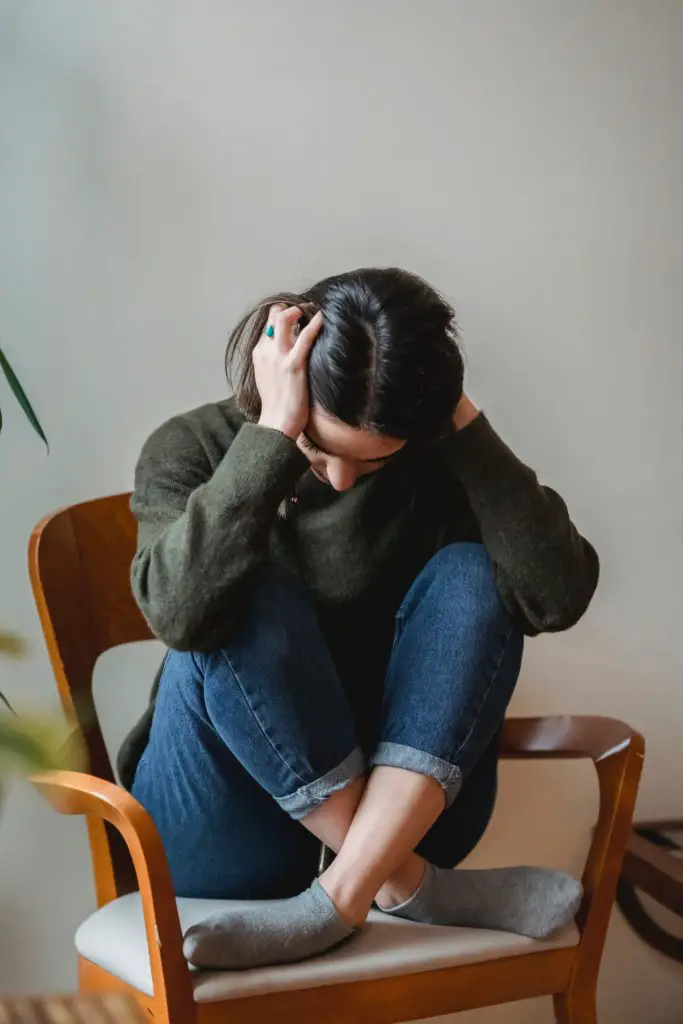
In a 10-year study of more than 50,000 US women, depression risk fell as caffeinated coffee intake rose. Women drinking 2–3 cups a day had 15% lower risk, and those drinking 4 or more cups had 20% lower risk, compared with women drinking one cup a week or less. The authors called for more research to confirm it. Coffee is not a treatment for depression. If you’re struggling, please talk to a health professional.
5. Lower risk of gallstones

In a 20-year study of US women published in Gastroenterology, those who consistently drank 4 or more cups of caffeinated coffee a day had a 28% lower risk of gallbladder removal than women who drank none. The authors suggest caffeinated coffee “may play a role” in prevention.
6. Better workouts

Caffeine improves physical performance in trained and untrained people (ISSN). Doses studied are usually 3–6 mg per kg of body weight. The same review notes that caffeine can disrupt sleep or increase anxiety in some people.
Can coffee help you lose weight?

Only slightly. A meta-analysis of 13 small trials found caffeine might promote modest reductions in weight and body fat. Swapping sweetened drinks for black coffee probably matters more. More in coffee and weight loss.
Is coffee bad for women’s hormones?

The effect seems small and mixed. In the NIH BioCycle Study of 259 premenopausal women, 200 mg or more of caffeine a day was linked to slightly lower estrogen in white women and higher estrogen in Asian women. Caffeinated soda and green tea were linked to higher estrogen across all races. If you have a hormonal condition such as PCOS or endometriosis, ask your doctor whether caffeine matters for you.
Coffee and your skin


There’s no good human evidence that drinking coffee keeps skin looking younger. Used coffee grounds can make a simple exfoliating scrub; see our coffee scrub guide.
What precautions should women take with coffee?

- Pregnancy. ACOG says caffeine under 200 mg a day doesn’t appear to cause miscarriage or preterm birth. That’s about one 12-ounce cup of coffee. Decaf is a good way to cut back. Read coffee during pregnancy.
- Bones. The BMJ umbrella review found an association between coffee drinking and fracture risk in women but not in men. If you have osteoporosis or low bone density, raise it with your doctor.
- Total caffeine. The FDA cites 400 mg a day for healthy adults, roughly two to three 12-ounce cups of brewed coffee. See how much coffee is too much.
- Headaches and migraine. Headache is the most common symptom of caffeine withdrawal. In a 2024 study of adults with episodic migraine, usual caffeinated drink intake wasn’t linked to more frequent headaches. The authors said the data don’t support telling these patients to avoid caffeine.
- Breastfeeding, anxiety, sleep problems or heart conditions. MedlinePlus suggests checking with your provider.



Women-owned coffee roasters to support
Supporting women in the coffee business is a benefit of a different kind. A few women-owned roasters:
- Moore Coffee, founded by Gayla Moore
- Flight Coffee Co., owned by Claudia Barret
- Black Coffee in Fort Worth, Texas, founded by former barista Mia Moss
- City Girl Coffee, run by Alyza Bohbot James
- Tico Coffee Roasters, owned by Mariana Faerron
- Sip & Sonder, co-owned by Amanda Thomas, Jane Thomas and Shanita Nicholas
- Southeastern Roastery, owned by head roaster Candy Schibli
Frequently asked questions
Is coffee good for women?
For most healthy women, moderate coffee drinking appears more likely to help than harm. Women-specific studies link it with lower depression and gallstone risk. Pregnancy and bone health are the main reasons to be more careful.
How much coffee can a woman drink a day?
Healthy adults can generally have up to 400 mg of caffeine a day (FDA). In pregnancy, the limit drops to under 200 mg. Cup sizes vary a lot, so check how much caffeine is in your coffee.
Are the benefits of coffee different for men?
Mostly not. See benefits of coffee for men for the findings from men-only studies.
This article is for general information and isn’t medical advice.
It sure was exciting when you said that a cup of coffee could cure depression and change your mind drastically. My fiance and I are planning to get married in June. We want everyone at the wedding party to be in their best mood during the event as we want all our more or less 75 guests to be truly happy during the celebration.