

Quick answer: The benefits of coffee for men are mostly the same as for everyone: better alertness and exercise performance, and lower risk of type 2 diabetes, heart disease and liver conditions. A few findings come from studies of men specifically, including lower risk of gout and kidney stones. Evidence on erectile dysfunction is weak, and coffee does not appear to protect against prostate cancer.
Most coffee research covers men and women together, and the benefits largely overlap. Below we separate what’s well supported, what comes from studies of men, and what doesn’t hold up. As always, moderation matters. See how much coffee is too much for the limits.
| Benefit for men | What the evidence shows |
|---|---|
| Alertness and focus | Well supported |
| Exercise performance | Well supported |
| Type 2 diabetes, heart, liver | Consistent observational evidence (men and women) |
| Gout | Lower risk in a large study of men |
| Kidney stones | Lower risk with higher caffeine intake, including in men |
| Safer long drives | Lower crash risk in long-distance drivers |
| Erectile dysfunction | One cross-sectional study; not proven |
| Prostate cancer | No causal link found |
In this guide 11 sections
- Does coffee help with erectile dysfunction?
- 1. Better alertness and focus
- 2. Better workouts
- 3. Lower risk of type 2 diabetes, heart disease and liver conditions
- 4. Does coffee lower the risk of gout in men?
- 5. Lower risk of kidney stones
- 6. Staying alert on long drives
- 7. Mood
- Does coffee prevent prostate cancer?
- How much coffee should men drink?
- Frequently asked questions
Does coffee help with erectile dysfunction?

The evidence is thin. In a cross-sectional analysis of US NHANES data, men whose caffeine intake was about 85–303 mg a day were less likely to report erectile dysfunction than men consuming almost none. The link was seen in overweight and hypertensive men but not in men with diabetes. A snapshot study like this can’t show that coffee prevents ED, and the authors called for prospective research. If ED is a concern, see a doctor, since it can be an early sign of heart or blood-vessel problems.
1. Better alertness and focus

Caffeine blocks adenosine, the brain chemical that builds up and makes you sleepy. The International Society of Sports Nutrition concludes that caffeine improves attention and vigilance in most people, and may help when you’re short on sleep.

2. Better workouts

According to the same ISSN position stand, caffeine improves physical performance in both trained and untrained people. Doses studied are typically 3–6 mg per kg of body weight. Black coffee is a simple, almost calorie-free alternative to sugary pre-workout drinks.
3. Lower risk of type 2 diabetes, heart disease and liver conditions
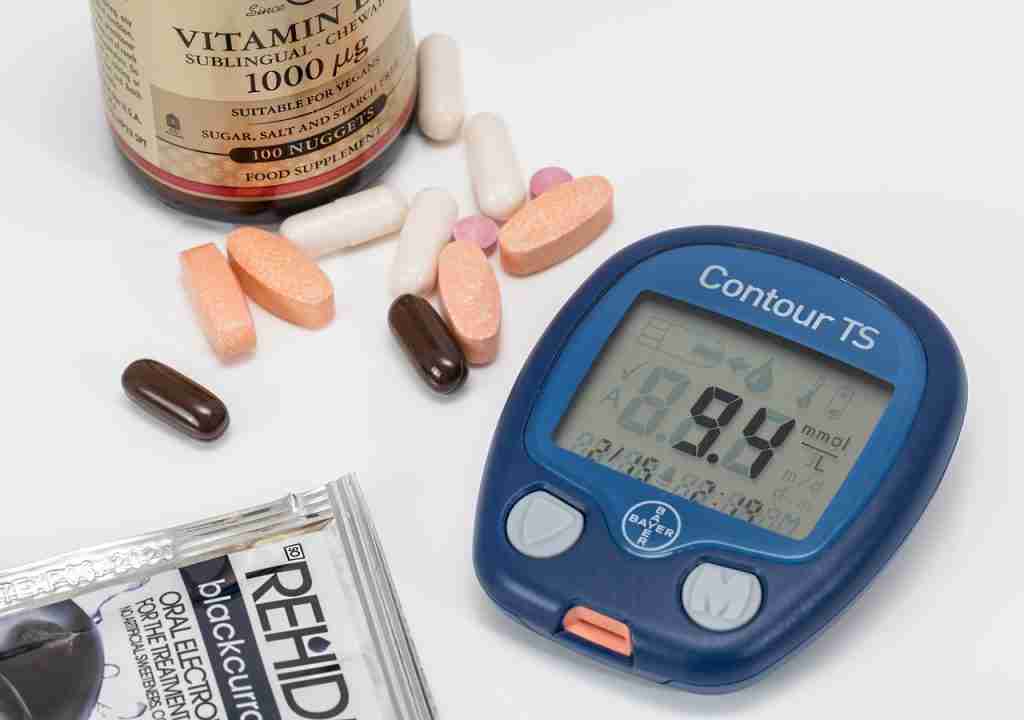
These benefits apply to men and women alike. Harvard T.H. Chan School of Public Health reports that habitual coffee drinkers have lower risk of type 2 diabetes. Harvard also says regular coffee drinking may lower the risk of heart disease and stroke. A BMJ umbrella review linked coffee with lower risk of liver conditions and found the largest cardiovascular benefit at three to four cups a day. Our hub page, is coffee good for you?, covers the full evidence.
4. Does coffee lower the risk of gout in men?
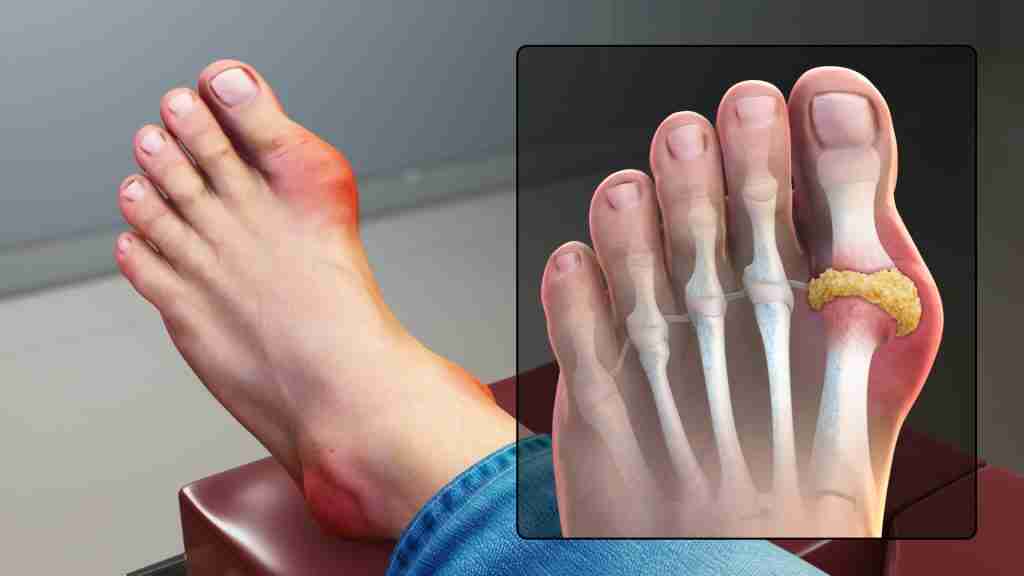
It appears to. In a prospective study of nearly 46,000 men, long-term coffee drinking was linked to lower risk of gout. Men drinking 4–5 cups a day had about 40% lower risk than non-drinkers, and those drinking 6 or more cups had about 59% lower risk. Decaf showed a smaller link, and tea showed none.
5. Lower risk of kidney stones
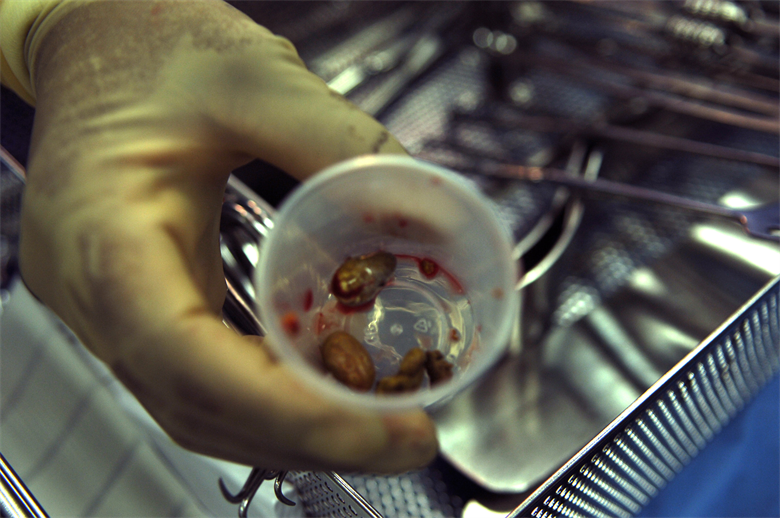
In three large US cohorts, people with the highest caffeine intake had a lower risk of kidney stones. In the men’s cohort, the Health Professionals Follow-Up Study, the risk was 26% lower. This held after adjusting for total fluid intake. Coffee also makes you urinate more; see is coffee a diuretic?
6. Staying alert on long drives

In a BMJ case-control study of long-distance commercial drivers, drivers who used caffeinated drinks to stay awake were 63% less likely to crash. Caffeine helps, but it’s no replacement for rest when you’re drowsy.
7. Mood

Harvard reports that moderate coffee intake (under 6 cups a day) has been associated with lower risk of depression. This is an association. Coffee is not a treatment for depression.
Does coffee prevent prostate cancer?
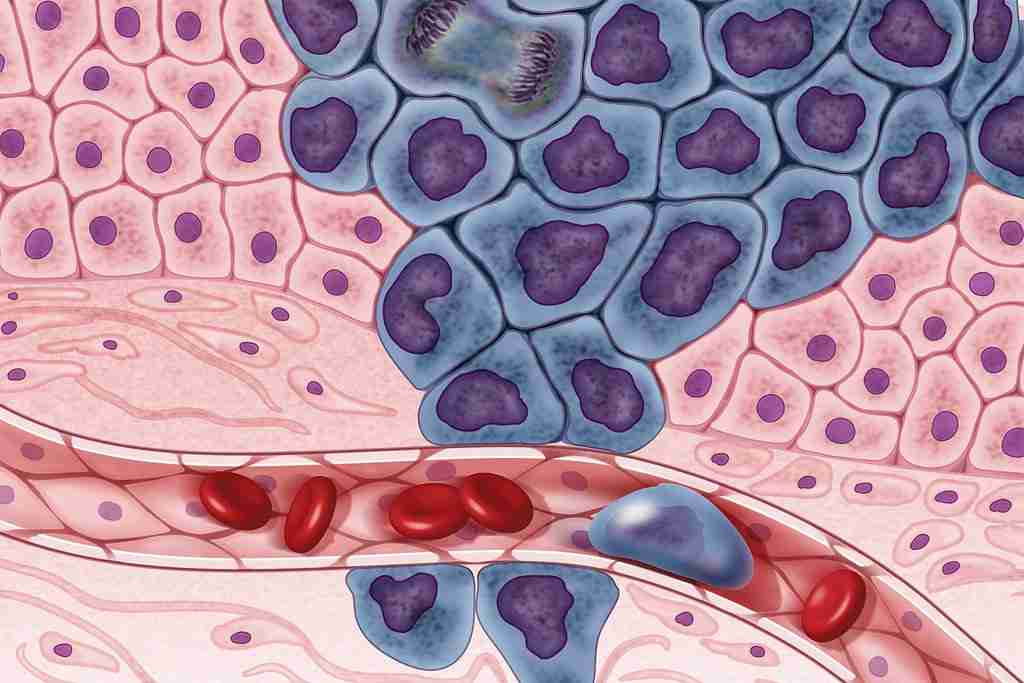
Probably not. A 2021 study combining NHANES data with Mendelian randomization found no association between coffee and prostate cancer and did not support a causal link. More broadly, the BMJ review found high versus low coffee intake associated with an 18% lower risk of cancer overall, but that comes from observational studies.
How much coffee should men drink?
The FDA cites 400 mg of caffeine a day for healthy adults as an amount not generally associated with negative effects. That’s roughly two to three 12-ounce cups of brewed coffee. If you have high blood pressure, heart rhythm problems, anxiety or trouble sleeping, MedlinePlus suggests checking with your doctor. To get the most from your cup, brew it the healthiest way.
Frequently asked questions
Is coffee good for men?
For most healthy men, moderate coffee drinking appears more likely to help than harm. The main benefits are alertness, exercise performance and lower risk of several chronic diseases. Men-specific findings include lower gout and kidney stone risk.
Does coffee raise testosterone?
There’s no good evidence that it does in a lasting way. In a small 8-week randomized trial of 42 adults, men drinking caffeinated coffee had higher total testosterone at week 4, but there were no significant differences between groups by week 8. The authors said the results should be read with caution given the small sample.
Is coffee good for women too?
Yes. Most of these benefits apply to everyone, with some extra considerations around pregnancy. See benefits of coffee for women.
This article is for general information and isn’t medical advice.
Share this guide
See more Coffee Informer on Google. Add us as a preferred source and our guides show up more in your Top Stories and AI results.
Add as a preferred source on Google
The benefits of caffeinated coffee are certainly known.
I wonder if decaffeinated coffee offers similar health benefits, I.e. antioxidant and anti-inflammatory qualities.
Great news for a great tasting beverage!
I will have to do some research and read up on medical studies to write an article about the health benefits of decaffeinated coffee! I’ll send you an email once I’ve written it!
I’ve read research that says drinking 4 to 5 mugs ( 8 oz. ) is per day is the recommended , min. , amount / day.
( http://www.health.harvard.edu/staying-healthy/moderate-amounts-of-coffee-are-the-best). It is hard to know the correct amount is considered okay for the minimum consumption of coffee.
Hi Shaun, good question. There isn’t a recommended minimum: you don’t need coffee at all to be healthy. The 4 to 5 cups in that Harvard piece is best read as the upper end of “moderate”. It’s roughly in line with the FDA’s 400 mg of caffeine a day for healthy adults, which is about four 8 oz cups of brewed coffee.
The benefits in the studies we cite show up at moderate intakes; the BMJ review found the biggest heart benefit at three to four cups a day. So anywhere from one cup up to that ceiling is reasonable if you sleep well and don’t have heart or blood-pressure issues. More on the limits in how much coffee is too much.
Edmond