
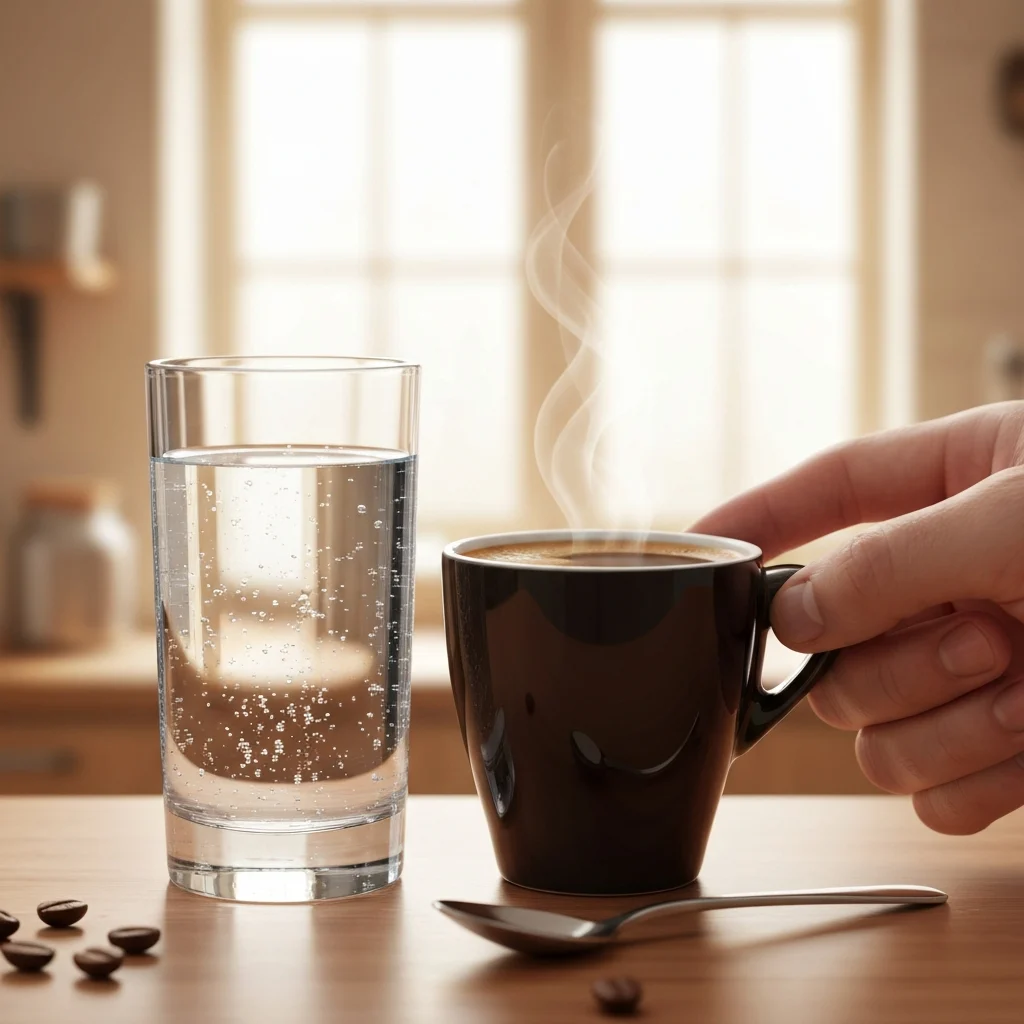
Quick answer: Tap water is often fine for coffee if it tastes good and doesn’t smell of chlorine. Its calcium and magnesium help extract flavor, and its bicarbonate buffers acidity. Water stripped of minerals – distilled, reverse osmosis or some softening filters – tends to make coffee taste sour, thin and flat. Taste-test tap against filtered water and keep whichever brews the better cup.
If your coffee got more sour after you switched to filtered water, the filter may be the problem. Water isn’t a neutral ingredient: its minerals control how flavor is extracted. Here’s how to choose the best water for your coffee.
In this guide 6 sections
Is Filtered Water Always Better for Coffee?
The conventional wisdom among coffee enthusiasts is clear: use filtered water. The logic seems sound. Tap water can contain chlorine, sediment, and other impurities that impart unpleasant flavors and odors. A good filter removes these undesirable elements, providing a clean, neutral base to let the coffee’s true character shine through.
However, an interesting phenomenon has puzzled many home brewers. After switching from tap water to a popular pitcher filter, they find their coffee tastes worse. Specifically, it often becomes more sour or acidic. In a surprising twist, switching back to tap water brings back the balance and sweetness they were missing. How can this be?
The answer has nothing to do with cleanliness and everything to do with chemistry. Water isn’t just a neutral ingredient; it is the active solvent responsible for pulling all the delicious flavors out of your coffee grounds. Its mineral content plays a starring role in this extraction process.
How Does Water Affect Coffee Flavor?
Think of brewing coffee as a chemical reaction. When hot water hits the ground coffee, it begins to dissolve and extract hundreds of different compounds. These include acids, sugars, oils, and other aromatic molecules that create the complex taste and aroma we love. To be an effective solvent, water needs a little help.
This is where minerals come in. Certain minerals present in water act like magnets, latching onto specific flavor compounds in the coffee and pulling them into your cup. Without these minerals, water is an inefficient solvent, leaving much of the coffee’s potential flavor locked away in the grounds.
The two most important minerals for coffee extraction are:
- Magnesium: This mineral is particularly good at attaching to fruity and floral flavor compounds, enhancing the coffee’s sweetness and complexity.
- Calcium: Calcium helps to extract creamier, heavier notes, contributing to a richer body and mouthfeel.
When you have the right balance of these minerals, you get a full, balanced, and delicious extraction. When you don’t, your coffee suffers.
Can Filtered Water Make Coffee Taste Sour?
The term “filtered water” is incredibly broad. Different filtration systems have dramatically different effects on water’s mineral composition, and some can strip out the very elements needed for a great brew.
Too Pure: Distilled and Reverse Osmosis (RO) Water
At the extreme end of filtration are distilled water and water produced by a reverse osmosis system. These methods remove virtually everything from the water, including all minerals. Brewing with this “empty” water is a recipe for disaster.
Because it lacks calcium and magnesium, it has no “grabbing power” to extract flavor. The result is often a thin, lifeless, and intensely sour cup of coffee. The sourness comes from the fact that the coffee’s acids are among the first compounds to dissolve. Without the minerals to extract the balancing sugars and deeper flavors, the acidity completely dominates the taste profile.
The Common Culprit: Carbon Filters and Water Softeners
What about standard pitcher filters or refrigerator filters? Most of these are carbon-based systems. They are excellent at removing chlorine, which is great for taste. However, some also contain ion exchange resins that reduce hardness (“soften” the water).
Water softening works by removing “hard” minerals like calcium and magnesium. Whole-house softeners also swap them for sodium, which can make coffee taste salty – see why coffee tastes salty. While this is great for preventing scale buildup in your kettle, it’s terrible for coffee extraction. By stripping out these essential minerals, the filter creates water that behaves much like distilled water, leading to under-extraction and a sour, unbalanced taste.
This is precisely the issue many people face. Their tap water has a good mineral profile for coffee, but their filter removes it, inadvertently ruining their brew.
Is Tap Water Good for Coffee?
If your local tap water tastes good on its own and doesn’t have an overwhelming chlorine smell, you might be sitting on a goldmine for brewing coffee. Many municipal water sources have a mineral composition that is surprisingly close to the ideal specifications for coffee brewing.
Why hard water can help
The terms “hard water” and “soft water” refer to the concentration of dissolved minerals. Hard water is rich in minerals like calcium and magnesium, the very things we need for a proper extraction.
But there’s another crucial component: alkalinity, often in the form of bicarbonate. Bicarbonate acts as a buffer against acidity. When you brew coffee, the natural acids in the beans are released. If your water has sufficient bicarbonate, it will neutralize some of this acidity, preventing the coffee from tasting overly sour.
Too much bicarbonate has the opposite effect, making coffee taste flat or chalky (see fixing chalky coffee), so balance matters. This explains the surprising taste difference. The filtered water, stripped of its mineral buffer, allows the coffee’s acidity to run wild. The hard tap water, with its bicarbonate content, tames that acidity and brings the cup into a beautiful, mellow balance.
What Is the Best Water for Coffee?
So, how do you ensure you’re using the best possible water? It’s all about finding the sweet spot. You want water that is free of chlorine but rich in the right minerals.
The Specialty Coffee Association’s brewing water guidelines describe that sweet spot as clean, odor-free water with zero chlorine, a pH close to neutral and around 150 ppm of total dissolved solids, with moderate calcium hardness and alkalinity (Barista Magazine summary of the SCA standard). You don’t need lab gear to get close: the steps below work in order.
Step 1: Start with Your Tap
Before you spend any money, conduct a simple taste test with the same beans, grind and recipe for both cups (fresh beans make the difference easier to taste; see our best whole bean coffee picks).
- Brew one cup of coffee using your normal filtered water.
- Brew a second cup using the exact same recipe but with water straight from your tap.
Let them cool slightly and taste them side by side. If the tap water version is less sour and more balanced, you have your answer. If your tap water has a slight chlorine taste, a carbon filter pitcher will reduce it, and letting the water stand in an open container can also help.
Want numbers instead of guesswork? Your water utility’s water quality report (in the US, the Consumer Confidence Report) often lists hardness, so you can see how mineral-rich your tap water is before you buy a filter.
Step 2: Try Different Bottled Waters
If your tap water isn’t suitable, experiment with bottled spring water. Avoid purified or distilled water. Look for “spring water,” as this will contain natural minerals. Different brands have different mineral profiles, so buy a few small bottles and repeat your side by side taste test to see which one makes your coffee sing.
Step 3: Build Your Own Water
For the ultimate coffee perfectionist, the best option is to build your own water from scratch. This gives you complete control over the mineral content. You can buy packets of mineral concentrates, like Third Wave Water, which are specifically formulated for coffee brewing. You simply add a packet to a gallon of distilled or RO water to create the perfect solvent for flavor extraction. It’s also one of the best ways to make your coffee taste the same every day.
Frequently Asked Questions
Is it OK to use tap water for coffee?
Yes, if it tastes good on its own and doesn’t smell strongly of chlorine. Many tap waters contain calcium, magnesium and bicarbonate that help extraction and balance acidity. If yours tastes off, use a carbon filter or spring water.
Should I use distilled water for coffee?
Not on its own. Distilled and reverse osmosis water have almost no minerals, so coffee brewed with them tends to taste thin and sour. If you use them, add a mineral packet made for coffee brewing.
Is hard or soft water better for coffee?
Moderately hard water usually brews the best-tasting coffee, because its calcium and magnesium help extraction. Very soft water tends to taste sour and thin, while very hard water can taste flat or chalky. Hard water also leaves scale in kettles and coffee machines, so descale them regularly if you brew with it.
Why does my coffee taste weak with filtered water?
Your filter may be removing the minerals that help extract flavor. Compare a cup made with tap water, and see our guide to why coffee tastes weak for other causes. The rest of your recipe still matters too, especially the coffee to water ratio.
Share this guide
See more Coffee Informer on Google. Add us as a preferred source and our guides show up more in your Top Stories and AI results.