
Quick answer: Coffee beans look oily because roasting pushes the natural oils inside the bean to its surface. The darker and longer the roast, the more porous the bean becomes and the faster oil appears, so shiny dark roasts are normal. Oil on a light or medium roast, though, usually means the beans have been sitting around for a while.
That shine on dark roasted beans is coffee oil that was inside the bean all along. Here is why it appears, what it says about freshness, and when oily beans are a problem.
Coffee beans become oily because lipids from within the bean come to the surface as oil when roasted. This usually happens to dark roasted beans and more of these lipids can seep out of the beans the longer they are roasted.
In this guide 6 sections
Are oily coffee beans bad?
Coffee oils carry much of coffee’s aroma and body. In a shot of espresso, some of them end up emulsified in the crema.
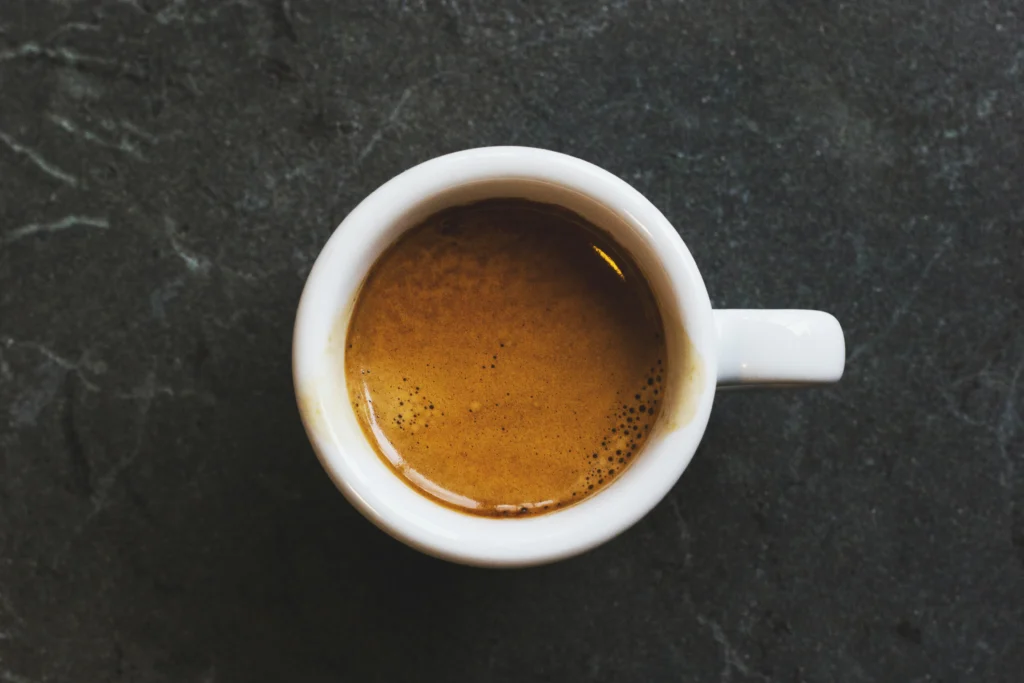
So what does it mean when those oils are already on the outside of the bean before you brew?
Coffee is a nuanced and refined beverage so there usually isn’t a sweeping answer for what oily coffee beans mean. You may even hear conflicting answers like “oily coffee beans aren’t fresh” or “oily beans are a sign of old and stale beans”. The truth depends mostly on the roast level.
As a rule of thumb, if you see medium or light roasted coffee beans with a thick layer of oil on them you should typically stay away.
These oils should be released from the bean from a longer roasting time and a light or medium roast is not long enough to release these oils.
We can then deduce that those light or medium roasted beans with a layer of oil may be older beans or may have been stored in an improper container resulting in the oil.
Read about how to store coffee beans so they don’t go bad. If you’re seeing oil on dark roasted beans, it is natural and doesn’t by itself mean the beans are old or were stored badly.
After roasting, oils keep slowly migrating to the surface. This happens faster with darker roasts because the heat has made the bean’s structure more porous. Once on the surface, the oils are exposed to oxygen, which is what eventually turns them stale and rancid.
That is why darker roasts tend to go stale faster, and why even lighter beans will eventually develop a sheen if they sit long enough.
Very oily beans can also become sticky and clog a grinder or the built-in grinder of a bean-to-cup machine. Over time this oil can build up to become a gummy sticky mess that is very hard to clean up. It can also cause grounds to clump up and stick together to prevent proper extraction.
How can you tell if coffee beans are too oily?
The easiest way to tell if your coffee beans are oily is to use your hands. Touch your beans and feel if there is any residue that is leftover on your hand. Some beans may even feel a bit sticky!

Lighter roasts usually don’t have any residue but you can also check the inside of your coffee bag. Sometimes the inside of your bag can be oily as well due to the coffee beans.
Roast levels are usually based on your personal preference but freshness is something every coffee drinker should enjoy.
Here are the guidelines you should follow when looking to purchase new beans:
- For light roasts if there is any oil on top of the bean they have been sitting for too long and you should stay away.
- For medium roasts the same rule applies. Medium roasted coffees should usually not have any oils on them.
- For dark roasts such as French or Italian roasts you can expect them to be a bit oily so you’ll be drinking these beans for the roasted flavors rather than the bean’s flavor profile. For these beans try to pick beans that aren’t sticky.
What is inside a coffee bean?
There are hundreds of chemicals that go into making a cup of coffee that we all enjoy. All of these chemicals are stored within the coffee bean, which is actually a seed of a coffee cherry.
Like many seeds, coffee beans are protecting carbohydrates, amino acids, water, caffeine, and lipids. This goodness packed inside the coffee bean is usually used to help a new coffee plant grow if the seed is planted. However, when the bean is roasted and run over hot water these chemicals come together to create the drink we know as coffee.
On their own, many of these compounds don’t taste good; caffeine, for example, is simply bitter.
Roasting transforms them into the flavors we recognize as coffee. If you want to watch that happen yourself, see how to roast coffee beans at home.
Why do beans get oily during roasting?
Coffee beans change dramatically during the roasting process. A lot of people don’t know that coffee beans start off as a green, pale almost colorless seed because they are so used to seeing the roasted version.
The beans change color due to the heat of roasting, but this isn’t just a normal browning. The amino acids and sugars that are usually inside the bean undergo the Maillard reaction and transform chemically to produce the flavors we know and love.
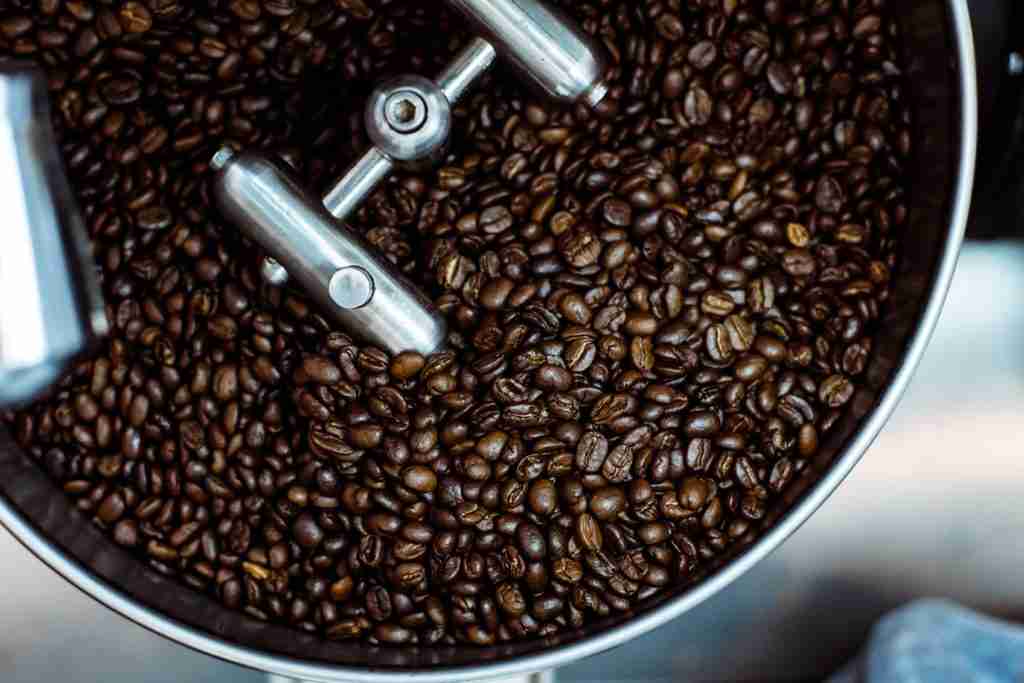
Moisture inside the bean turns to steam and, together with carbon dioxide from roasting, builds pressure until the bean audibly cracks. This is the “first crack”.
The bean’s cell structure is now more porous, so oils from inside can start making their way to the surface.
Dark roasts are taken to or past the “second crack”, which breaks down the structure further. That is why dark roasted beans get oily faster than lighter ones.
Does oil mean better coffee?
No. A shiny bean is not a sign of better coffee, and some of the best coffee comes from plain-looking matte beans.
Oil tells you more about roast level and age than quality. On light and medium roasts, it is a useful freshness warning. For beans we like, see our guide to the best whole coffee beans, and grind them fresh in a burr grinder.
Frequently asked questions
Are oily coffee beans stale?
Not necessarily. Dark roasts are oily soon after roasting. On a light or medium roast, a heavy oily layer usually means the beans are old or were stored poorly.
Can you use oily beans in a super-automatic espresso machine?
It is best to avoid very oily, sticky beans in machines with a built-in grinder, because the oil can build up and clog it. Drier medium roasts are a safer choice.
Why are dark roast beans shiny?
Dark roasting breaks down the bean’s structure more, so the natural oils inside reach the surface faster. A shine on a French or Italian roast is normal.