

Quick answer: Kopi luwak (civet coffee) is coffee made from beans that have been eaten and passed by the Asian palm civet, then collected, washed and roasted. It comes mainly from Indonesia and is one of the most expensive coffees in the world. Much of it now comes from caged civets, and “wild” labels are hard to verify.
Kopi luwak dates back to Dutch colonial Indonesia. The story goes that plantation workers, forbidden to harvest coffee for themselves, collected the beans that civets left behind.
Kopi luwak is not a type of coffee bean but a way of processing coffee.
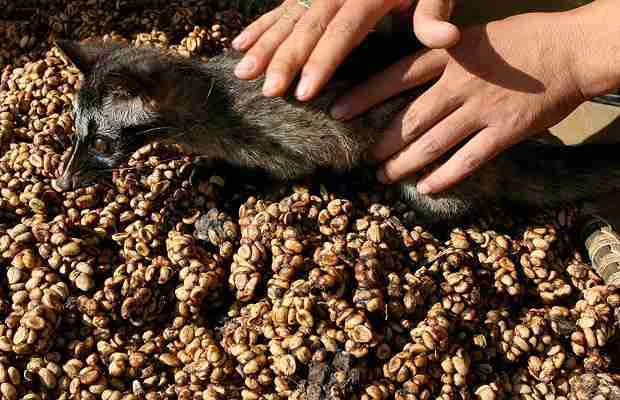
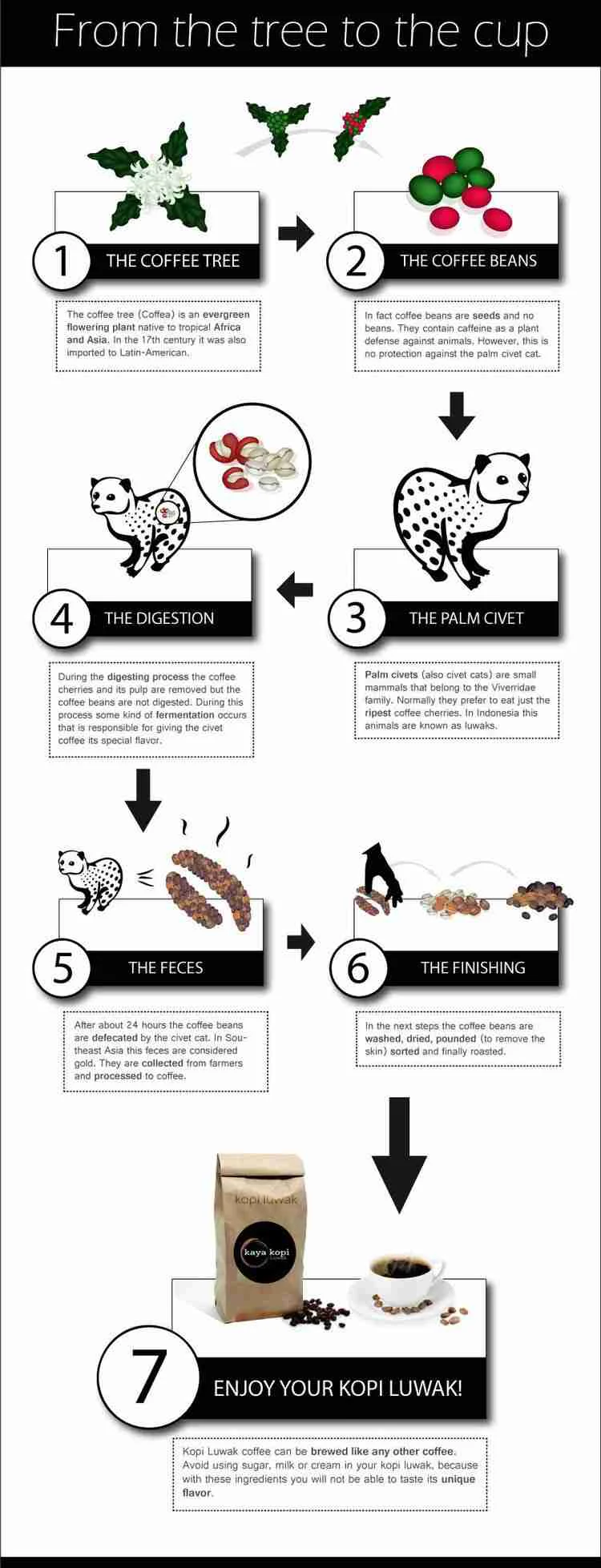
The luwak, or Asian palm civet (a small mammal often called a “civet cat”, though it is not a cat), eats coffee cherries and passes the coffee beans without digesting them.
In this guide 8 sections
Why is kopi luwak so expensive?
The main reason why Kopi Luwak is so expensive is because of its uncommon method of production. The Palm Civet has to eat and digest the coffee cherries then excrete the beans out. This process takes a long time and cannot be commercialized as easily as other processes.
How much does kopi luwak cost? Retail prices vary enormously, from roughly $100 to $700 per pound (about $22–155 per 100 g), depending on whether the beans are farmed or wild and on the seller (sources: Tempo, The Pricer).
Due to the popularity of Kopi Luwak several plantations raise palm civets to produce this coffee. We consider this inhumane, and caged civets fed whatever cherries they are given lose the selective picking that made kopi luwak special in the first place.
Does kopi luwak taste better than normal coffee?
There are two reasons kopi luwak or “civet coffee” might taste different from normal coffee. These two reasons are selective picking of coffee cherries by the civet cats and the thorough cleaning of the coffee bean.
Naturally, when the civets choose their meals they go for the ripest, plump cherries. This is only true when the civets are allowed to roam free and choose what cherries to eat. Caged civets do not get to choose.
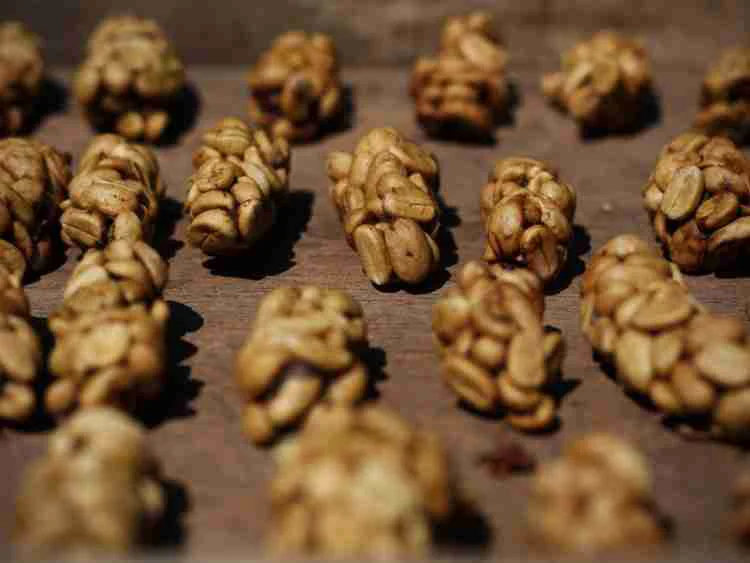
The beans will also be “cleaned” while going through the civet cat’s digestive system. All the enzymes inside the digestive tract strip the fruit from the beans and leave a clean bean as a result. Research by food scientist Massimo Marcone at the University of Guelph found that digestion breaks down and leaches out some of the beans’ protein. Since proteins contribute to bitterness during roasting, this may explain why kopi luwak is often described as smoother. Marcone himself called it different from, but not better than, other coffees.
Fake and mislabelled kopi luwak is also common, so some “kopi luwak” has never been near a civet.
Is kopi luwak safe to drink?
Properly processed kopi luwak is generally considered safe. The beans are washed and then roasted at high temperatures, like all coffee.
Marcone’s study found that civet beans are more contaminated than regular beans straight from the droppings, but that the washed beans on the market were quite clean.
Like mold-ripened cheese, it sounds less appetizing than it is.
What does kopi luwak taste like?
The taste varies from farm to farm. To get the genuine and authentic flavor of the Kopi Luwak coffee it is best to find a farm that offers single-source or roasts their own coffee. You would want the roast just at the second ‘crack’ of the coffee bean.
These are the two ways of brewing Kopi Luwak I enjoy the most: as an espresso and in a French press. For the press, grind the coffee coarsely and brew with hot, clean water for 4 minutes. Drink it right away with a clean palate to get the full taste.
For the taste, there are many debates whether the enzymes within the civet affect the taste at all. In our experience at Coffee Informer, we are confident that it does if you choose the right beans. To us it tastes like good arabica with subtle nutty and caramel hints and very little acidity.
Is kopi luwak cruel?
Kopi luwak used to be a niche Indonesian specialty. Previously, it was exclusively produced by wild civets. Animals would naturally graze and choose the best coffee cherries to consume. The Kopi Luwak would just be a side product that we could enjoy.
Once coffee writers such as Tony Wild introduced kopi luwak to Western buyers, demand outgrew what wild civets could supply.
Today many civets are captured and kept in cages, including on farms in Indonesia, where PETA Asia investigators found caged civets fed coffee cherries for production.
Civets suffer from being confined in cages and suffer stress when living in close proximity to each other.
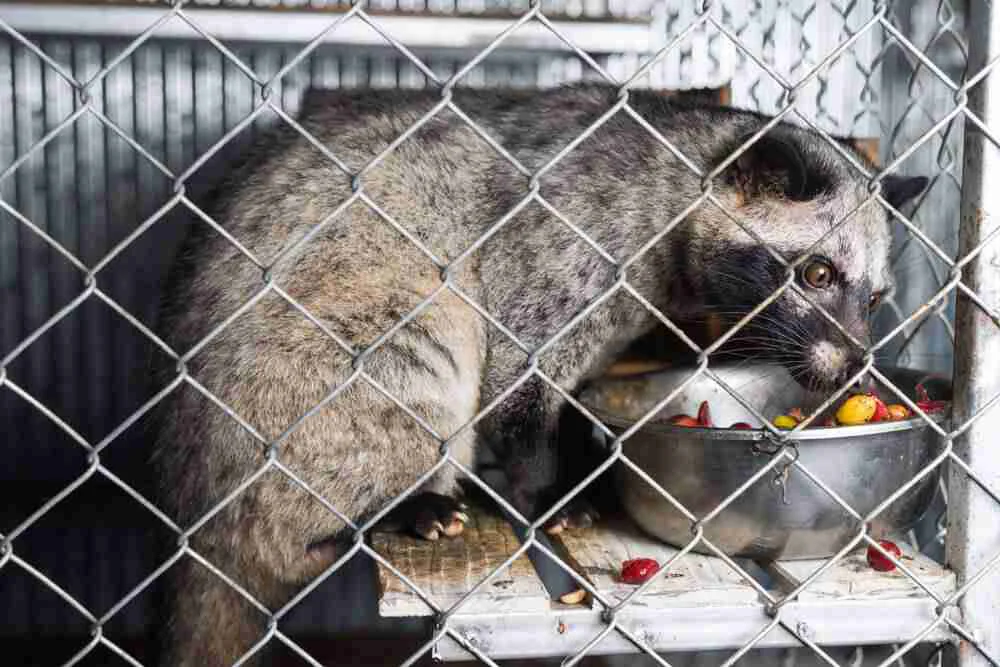
Animal welfare groups such as PETA have campaigned against the trade. Coffee is often advertised as “wild-sourced”, but buyers have no reliable way to tell farmed from wild. According to PETA, an investigator was served a sample of coffee bearing a fake label, and farmers “didn’t have a problem” with putting a fake label on coffee from caged civets.
Where to buy kopi luwak
If you still want to try kopi luwak, this is the one we have bought. The seller markets it as wild-sourced Sumatran kopi luwak; as explained above, no wild label can be fully verified, so buy with that in mind.
We have tried this coffee and can confirm it has an especially smooth, rich taste. It is smooth, earthy and nutty, with little acidity or bitterness.
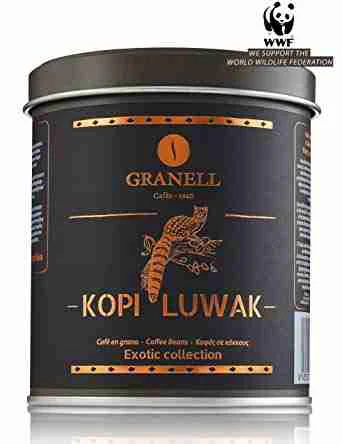
It is sold as wild kopi luwak from Sumatra and comes in a 100-gram canister or 3.5 ounces and the container keeps the coffee fresh and aromatic. I have gifted this coffee myself and am extremely satisfied with the gift. The look and feel of the container make it the perfect gift for the coffee connoisseur in your life.
How to brew kopi luwak
Brew kopi luwak like any good arabica; the basics below get the most from an expensive bag.
Our formula for the perfect Kopi Luwak coffee is very simple. For every tablespoon of coffee, we add three ounces of water. Slight adjustments may be needed for your taste and batch of coffee.
Aim for water around 200°F (93°C). Water that is too hot extracts more bitter flavors, but water not heated enough will be less efficient in extracting the flavors of the coffee.
Time is also very important to the brew of the coffee. The longer the grounds are exposed to the water the more flavor is extracted. The less time they are exposed, the less flavor you get. The average time varies by how you ground your coffee, but our standard is four to six minutes for a drip ground, and up to eight minutes for coarse ground.
Perfect Cup of Coffee using Chemex Pour Over and Manual Drip Coffee Maker
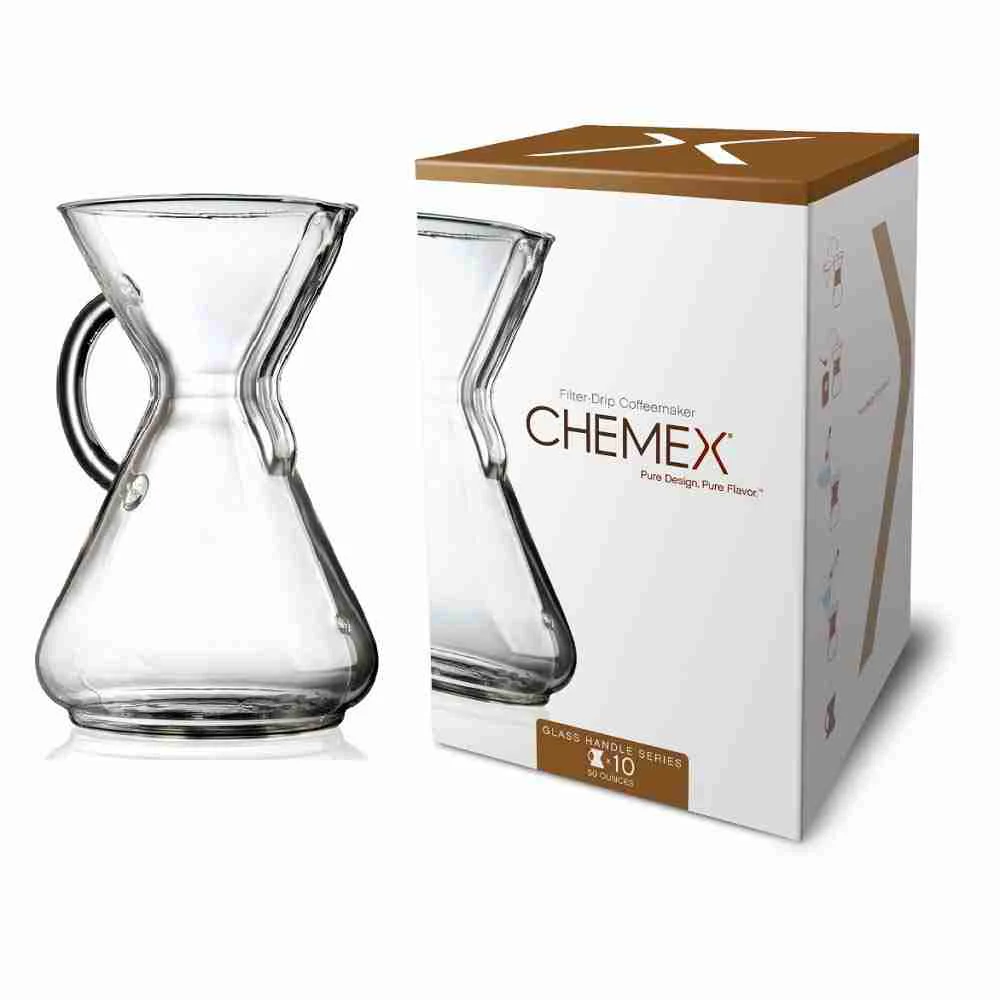
To make the perfect cup of drip or pour over Kopi Luwak coffee in a 10 cup Chemex coffee maker you have to get the water temperature and pouring technique right. The water passes through the coffee and extracts all the flavor and oils from the grounds.
Drip brewing requires a balance of grind fineness, batch size, and temperature to perfectly drench the coffee for the exact amount of time.
- Boil water using a water kettle on high heat to ~ 200 degrees Fahrenheit
- Prepare your beans for drip coffee by grinding them to medium to medium-fine
- Place included Chemex drip coffee filter in the channel on the brewer
- Weigh and add grounds to the filter. About 2 tablespoons for every 6 ounces of water
- Remove boiling water from the heat and if it is in roaring boil let it rest for about 1 minute to reach ~ 200 degrees Fahrenheit
- Slowly pour water over the grounds in a circular motion.
- If the Kopi Luwak beans foam up it is releasing carbon dioxide and will settle down shortly. For better flavor allow this to happen before adding more water
- Repeat until your perfect cup of coffee is brewed
- Enjoy your perfect cup of drip Kopi Luwak Coffee!
Perfect Cup of Coffee Using French Press Coffee Maker
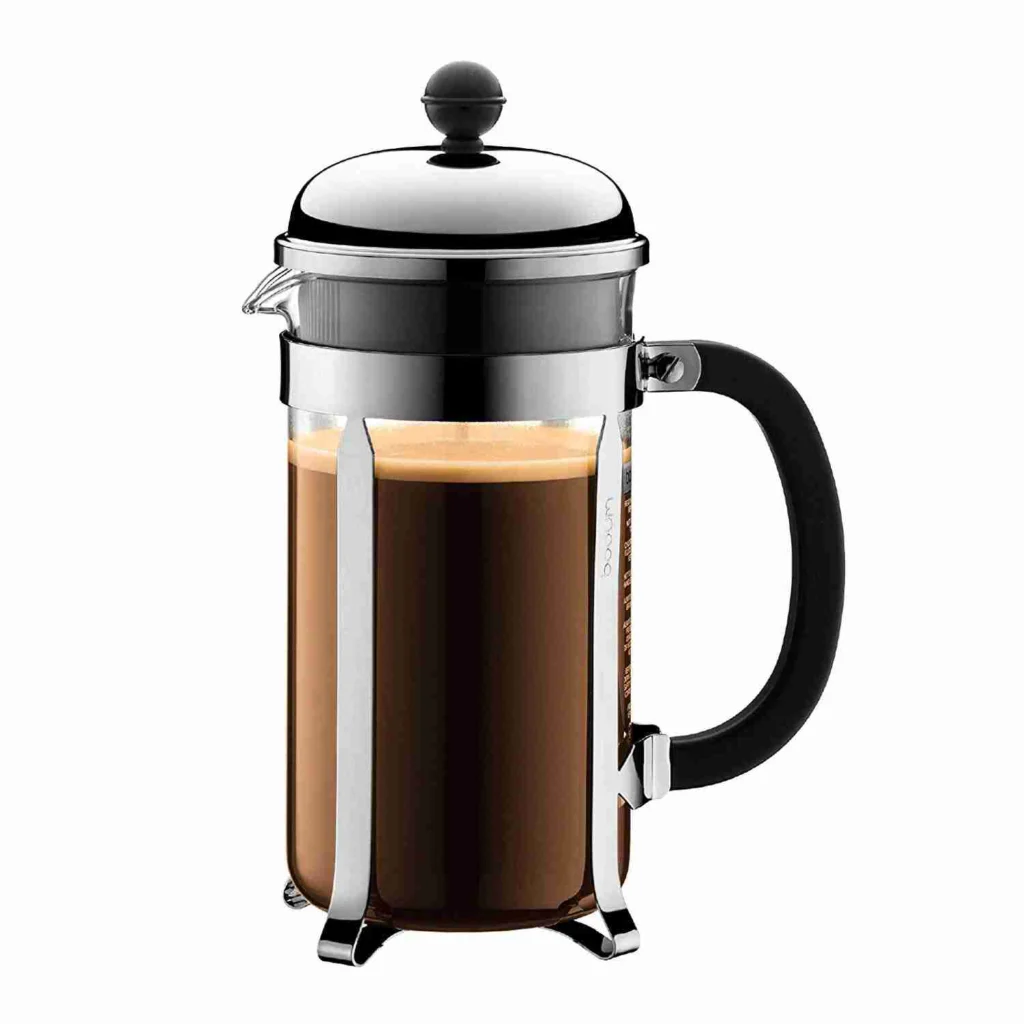
Unlike using a pour-over coffee maker the french press works by allowing the coffee beans to mix and steep in water. This causes a different kind of flavor extraction and creates a unique flavor only found using a french press.
The french press mixes the coffee beans and the water together. You will want to coarsely grind your beans so there is not over-extraction of the bean and so there is not any sediment left in the coffee from the brewing process.
- Boil water using any kind of boiler to ~ 200 degrees Fahrenheit
- Grind about 2 tablespoons of whole coffee coarsely for every 6 ounces of water
- Preheat your french press coffee pot by pouring hot water into the pot
- Swirl around the water and discard the hot water
- Add your coarsely ground coffee into the empty pot
- Pour half of your hot water over the coffee grounds and wait for the foam to dissipate
- Pour the remaining hot water into the pot
- Set a timer for 4 minutes
- After 4 minutes slowly press the plunger down all the way
- Pour the coffee slowly to keep sediment from flowing out into your coffee
- Enjoy the perfect cup of french press Kopi Luwak coffee!
Frequently asked questions
Where does kopi luwak come from?
Kopi luwak is mainly produced in Indonesia, including Sumatra, Java and Bali. Civet coffee is also made in other Southeast Asian countries such as the Philippines and Vietnam.
What animal makes kopi luwak?
The Asian palm civet, a small cat-sized mammal found in Southeast Asia. Despite the nickname “civet cat”, it is not a cat.
Is kopi luwak ethical?
Kopi luwak from caged civets is widely considered cruel, and investigations have found farms putting “wild” labels on caged-civet coffee. If animal welfare matters to you, the safest choice is to skip it and put the money toward high-quality whole bean coffee from a roaster you trust.
Curious about other unusual coffees? See 10 unique coffee beans from around the world, read about Sumatran coffee, where much kopi luwak comes from, or try a bulletproof coffee.
Share this guide
See more Coffee Informer on Google. Add us as a preferred source and our guides show up more in your Top Stories and AI results.
Add as a preferred source on Google