

Quick answer: Adding a pinch of salt to coffee makes it taste less bitter and a little sweeter. Sodium suppresses how strongly your tongue perceives bitterness, which lets other flavors come through. Start with about a quarter teaspoon of kosher salt per 6 tablespoons of grounds, or a few grains in a brewed cup; the coffee shouldn’t taste salty.
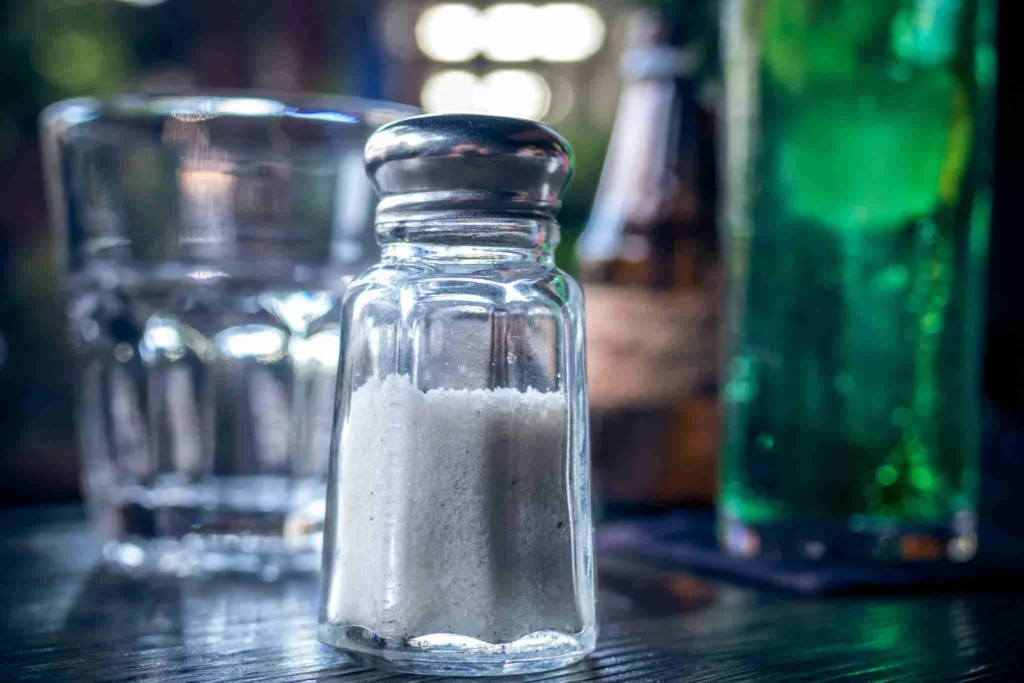
You don’t need to change your beans or your brewer to make your daily cup taste smoother. A few grains of salt, added to the grounds or the cup, take the edge off bitterness without making the coffee taste salty. I learned this trick from a friend, and it turns out to be a long-standing tradition.
In this guide 7 sections
Why do people add salt to coffee?

Salt in coffee is an old habit in several parts of the world, and people swear by it to cut the natural bitterness of coffee. Food writer and TV host Alton Brown is a well-known fan; he says salt not only cuts the bitterness of coffee but also smooths out the “stale” taste of tank-stored water.
Salt can’t rescue coffee that was brewed badly, though. If your coffee is harsh because it is over-extracted or burnt, fix the brew first; see our guide to burnt vs over-extracted coffee.
Does salt really make coffee less bitter?
Yes. Researchers at the Monell Chemical Senses Center found that salt enhances flavor by suppressing bitterness: sodium reduces how bitter something tastes more than it reduces pleasant tastes like sweetness. With the bitterness turned down, the coffee’s natural sweetness and fruitier notes are easier to notice, much like a pinch of salt in lemonade or baked goods. The trick is to add so little that you can’t actually taste the salt.
Try it with different beans and note what you like; each coffee responds a little differently.
What makes coffee bitter in the first place?

Contrary to popular belief, caffeine isn’t the main source of bitterness. A 2007 study presented to the American Chemical Society found that caffeine accounts for only about 15% of coffee’s bitterness. Most of the rest comes from chlorogenic acid lactones, which dominate in light and medium roasts, and phenylindanes, which form from them during longer roasting and dominate in dark roasts. That is why darker roasts usually taste more bitter, even though a light roast can have the same caffeine or more.
How much salt should you add to coffee?
There is no single correct amount. Start with a quarter teaspoon of kosher salt for every 6 tablespoons of coffee grounds, then adjust: if it tastes salty, use less; if it is still too bitter, add a little more. Salts differ in how salty they are by volume, so you may need to adjust if you use fine table salt.
You can add the salt to the grounds before brewing, or stir a few grains into a cup that is already brewed.
Is salt in coffee healthy?
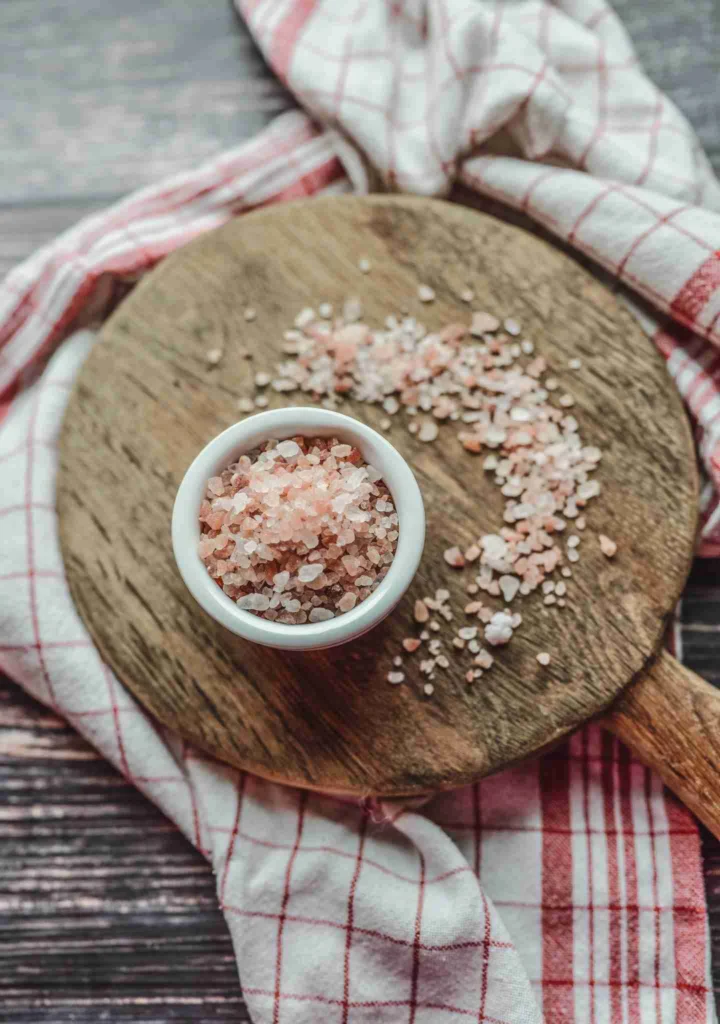
A pinch of salt in coffee isn’t a health food, and you should be wary of claims that it is. Pink Himalayan salt is often marketed as a source of minerals, but you would get only trace amounts from the pinch you put in coffee.
What matters more is your total sodium intake. Too much sodium is linked to high blood pressure, and the FDA notes that most Americans already eat too much sodium. If you have high blood pressure, kidney disease or have been told to limit salt, talk to your doctor before making salted coffee a daily habit.
Iodized table salt also contains iodine. Your body needs iodine for thyroid function, but too much iodine can cause thyroid problems too, so there is no reason to add more than a pinch.
Should you add salt instead of milk and sugar?
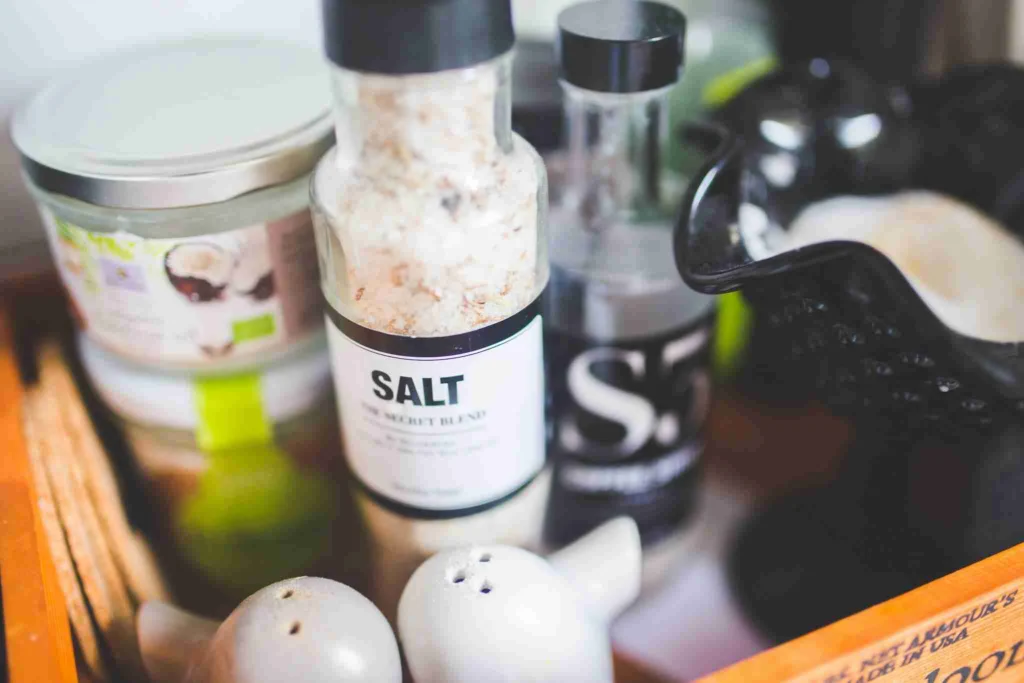
If your coffee already tastes great, you don’t need it. But if you usually add sugar to hide bitterness, a pinch of salt can do part of that job with no added sugar. You can also combine it with other flavorings like cardamom or honey.
Taste is subjective. Try it at least once; if you don’t enjoy it, it isn’t for you.
Frequently asked questions
Does salt in coffee taste salty?
It shouldn’t. The goal is to use so little that you don’t notice the salt, only that the coffee tastes smoother. If you can taste salt, you’ve added too much.
Does salt reduce the acidity of coffee?
Salt doesn’t change the coffee’s acidity; it changes how you perceive bitterness. If acidity bothers your stomach, look at low-acid coffee instead.
Should you add salt to the grounds or to the cup?
Either works. Adding it to the grounds spreads it evenly through a whole pot; adding a few grains to a brewed cup lets you adjust each cup to taste.
For more ways to change up your coffee, see our guide to the different types of coffee.
This article is for general information and isn’t medical advice.
Thanks for sharing this article, I’m really impressed with your work. Keep it up.
Nice post. Thank you for sharing informative information with us.
I’m very much helpful to find out such a nice blog site such yours. This is really a helpful site. Thank’s a lot.
Very informative discussion.It is very useful for every people.you should post more about this matter.