

Quick answer: Coffee tastes different in different mugs because of heat retention, smell and expectation. Ceramic and glass are neutral and keep coffee warm; paper and some plastics can add off-flavors, and single-wall metal cools coffee fast. A mug’s color and shape also change how sweet or bitter we expect, and perceive, the coffee to be.

If coffee seems to taste better from a nice mug at a cafe, you’re not imagining it. Here is why the material, shape and even color of your cup change how coffee tastes, and which mug material is best.
In this guide 5 sections
Why does coffee taste better in a ceramic mug?

Research on flavor perception shows that how food looks plays a part in how it tastes. This is why when you go out to a fancy restaurant it may taste better than normal food that is carelessly plopped onto your plate.
A carefully arranged and organized portion represents in your brain a higher quality and tastier meal, and as a result, you actually think it tastes better. The same goes for drinking coffee out of a proper ceramic mug.
It is part of human nature to perceive things based on all of our senses, not just the taste. This is why the coffee tastes better in a ceramic cup as opposed to a paper cup. The weight of the cup and the texture can also play a part in getting you in the state of mind to enjoy your coffee just a bit more.
A thick ceramic mug also holds heat better than a thin paper cup or a single-wall metal cup, which can let coffee cool quickly and change its flavor. (A double-wall insulated travel mug keeps coffee hot longest of all.)
Believe it or not, the color of your cup also plays a part in how your coffee tastes.

A study in the journal Flavour (2014) served the same coffee in white, clear and blue mugs. Tasters rated the coffee in the white mug as more intense and less sweet than the same coffee in the clear and blue mugs. The samples were small, so treat it as an interesting effect rather than a rule.
Does the shape of a mug change how coffee tastes?

In a study in Food Quality and Preference (2017), around 300 people in China, Colombia and the UK looked at pictures of different mugs and rated how they expected the coffee to taste. They expected coffee from wider mugs to be sweeter, and coffee from narrower mugs to be more aromatic and more bitter. Wide mugs are often used for milky lattes, which may explain the link.
Small, narrow cups bring to mind espresso and other strong, less milky drinks.
Two parts of a mug’s shape matter for aroma: the headspace, the area between the lip of the mug and the coffee, and the circumference of the cup.
The headspace can affect the taste of the coffee because this space between the coffee and the top of the cup allows the coffee to aerate when you take a sip of your coffee. This causes you to smell all the nice coffee aromas which is a large part of the taste.
The circumference of the cup also matters because it allows your nose to be closer to the coffee further improving the scent of the coffee. Smell is a big part of what we experience as coffee’s flavor.
How does temperature change the taste of coffee?
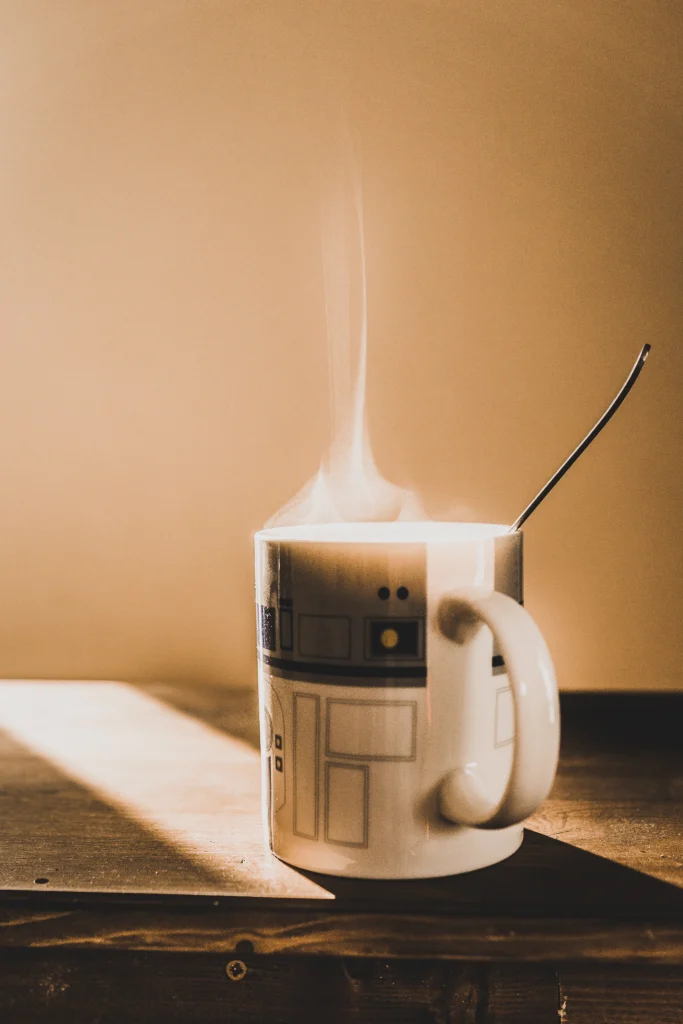
Hot coffee releases more aromatic compounds, which is a big part of why it tastes fuller. If you’ve ever smelled room temperature or cold coffee, you would know that it does not compare to a freshly brewed pot of coffee.
A preheated ceramic mug keeps your drink hot for longer and helps keep the delicate aromas and flavor notes in your coffee.
Once your coffee starts getting cold there are actually chemical changes that happen that can change the way the coffee tastes.
Coffee is an extremely complex and sophisticated drink comprised of over 1000 aroma compounds that we can smell and taste, even if we are not consciously aware of it. A lot of the compounds are released when there is heat as volatile compounds which are turned into gasses and slowly evaporate over time.
Over time all these compounds are released and when the coffee is cold we are usually left with a more bland version of what we started with.
Acidity is also perceived best at lower temperatures. This allows you to taste more acidity and can even bring out flavors that you would normally not be able to taste in a hot cup of coffee. Bright coffees, such as many Kenyan coffees, can taste more vibrant as they cool. Why coffee that has gone fully cold tastes flat is covered in our article on room temperature coffee.
What is the best mug material for coffee?
Ceramic is the best everyday choice, with glass a close second. Here is how other materials compare.
Plastic
Plastic would seem like a good choice because of its lack of distinct taste. However, hot liquids can cause some plastics to leach chemicals, so only use containers made for hot drinks.
Plastics can also absorb odors, flavors, and oils. This can probably affect the taste of coffee if you use the same container over a long period of time.
Paper
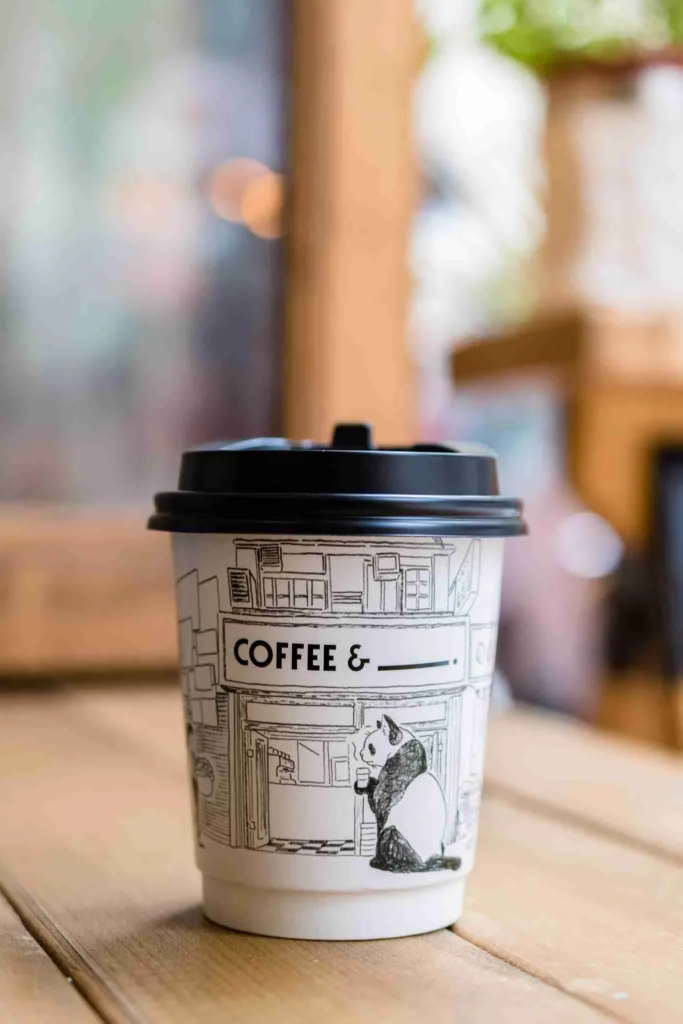
We’ve all had the office coffee out of a paper cup and know how bad these cups can be. Paper is probably the worst kind of cup to drink coffee out of because it can impart a papery flavor and doesn’t hold heat well.
Sometimes, these paper cups can have a waxy residue and coating on the inside of the cup and form a thin film on top of your coffee. No thank you!
When paper cups are heated they can start to smell like cardboard as well, this will certainly disrupt your olfactory system and make your coffee seem a lot worse than it probably is.
Disposable cups also create waste; a reusable mug is the more sustainable choice.
Stainless Steel
Some people notice a metallic taste from stainless steel cups, and steel can hold on to old coffee oils if it isn’t cleaned well.
A single-wall steel cup conducts heat away quickly, so it gets hot to hold while your coffee cools fast. A double-wall insulated steel tumbler is the opposite and keeps coffee hot for hours, which is why it’s the go-to for travel.
Glass

Glass is probably the next best choice next to a ceramic coffee cup. It has almost all the same benefits as ceramic, but glass does not hold heat as well as ceramic does, but can still do the job. The neutral taste and small carbon footprint make glass a great alternative to ceramic coffee cups.
Frequently asked questions
Is ceramic or glass better for coffee?
Both are neutral and add no flavor. Ceramic holds heat a little better and is the best everyday choice; glass is a close second and lets you see your drink.
Does a stainless steel mug change the taste of coffee?
Some people notice a slight metallic taste, and residue from old coffee can build up if the cup isn’t cleaned well. Double-wall steel tumblers keep coffee hot far longer than ceramic, which is useful on the go.
Does the color of a mug affect the taste of coffee?
It can affect perception. In one study, the same coffee was rated more intense and less sweet from a white mug than from clear or blue ones.
Why does coffee taste bad in a paper cup?
Paper cups can add a papery or cardboard smell, and some have a waxy coating that leaves a film on the coffee. They also lose heat quickly, so the coffee cools and its aroma fades sooner than in a ceramic mug.
Want to improve the coffee itself? See our ways to enjoy drinking coffee more and gift ideas in our gifts for coffee lovers guide.
Share this guide
See more Coffee Informer on Google. Add us as a preferred source and our guides show up more in your Top Stories and AI results.
Add as a preferred source on Google