
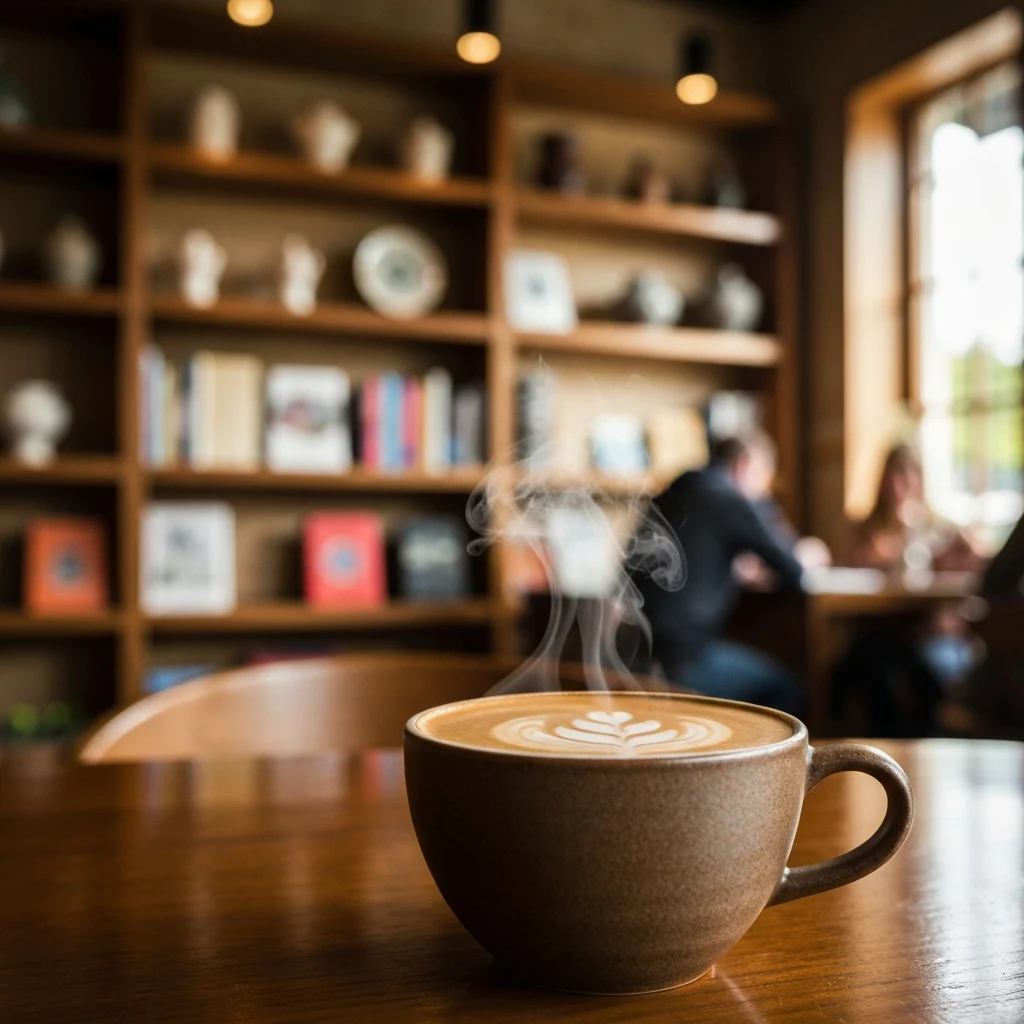
Quick answer: Colombian coffee is different mainly because of where and how it is grown. Colombia grows arabica beans on high, steep mountain slopes with volcanic soil, steady rain and mild temperatures, and the cherries are hand-picked and usually washed. The result is a medium-bodied cup with bright acidity and notes of chocolate, citrus and fruit.

Coffee labels love the word “Colombian”, from “100% Colombian” to “Colombian blend”. Here is what actually makes Colombian coffee beans different, and how to pick and brew them.
The main difference between Colombian coffee and other coffees is the growing conditions. Colombia grows arabica beans, and its elevation, soil and climate bring out more of their flavor.

In this guide 8 sections
Is Colombian coffee arabica or robusta?
Within the coffee genus of flowering plants in the family Rubiaceae, there are two types of beans that are used for coffee. These two coffee beans are called robusta and arabica, and Colombia is known for growing arabica, generally considered the higher-quality bean. (For a wider tour of origins and species, see our guide to unique coffee beans from around the world.)
Arabica beans tend to have a sweeter taste, with a softer bitterness flavor. This gives you a more well-rounded coffee. There will be different flavor tones such as fruit, berries, and sugar with the deeper normal coffee flavors.
Robusta has a harsher and darker flavor. They are considered inferior beans because they are easier to grow and have a less complex flavor profile. An easy way to tell if you have robusta beans is the shape.
Robusta beans are more circular while arabica beans are oval-shaped. Taste-wise robusta beans will have a burnt or even rubbery taste. Robusta beans have roughly twice the caffeine of arabica, and caffeine itself tastes bitter.
One thing to be wary of, especially in pre-blended coffee or combinations is the use of robusta beans as a filler or cost reducer. If the coffee is pre-ground and is a blend of different beans it may have low-quality robusta beans mixed in. However, it is up to personal preference. The dark harshness of robusta beans can be good for a blend and mellow out the floral and sweet arabica beans. To get roasted-to-order beans delivered, see our guide to the best coffee subscriptions.
Why does Colombia grow such good coffee?
Each country has different growing conditions and as a result the taste of each coffee bean may be a little different. Even if the same coffee variety is grown, the difference in growing conditions will create a huge difference in flavor.
This is why Colombian coffee is legendary in the coffee world. Colombian coffee has all the necessary conditions to grow great coffee; There is high elevation, great soil, plenty of sunlight, and enough rain.
Colombian coffee is grown at the right elevation
Much of Colombia’s coffee is grown roughly 1,200–1,800 meters (about 3,900–5,900 feet) above sea level on the slopes of the Andes. Few countries combine that much high-altitude farmland with the rest of the conditions coffee needs.
By growing at higher altitudes it has a number of benefits for the coffee bean. Being higher up slows the normal growth cycle of the coffee plant and allows the bean to mature for a longer time. This imbues the coffee bean for more flavor and allows complex sugars to form.
There is also better drainage for the coffee plants at high altitudes and reduces the amount of water the plant is absorbing. As a result the coffee fruits themselves will be smaller and contain less water. This turns the coffee fruit and the coffee bean into flavor bombs full of compacted flavor. Think of it as dry aged steak vs regular steak.
Colombian coffee is grown in fertile volcanic soil
Like any other plant coffee plants need soils full of minerals and nutrients so they can grow to their maximum potential. Colombia’s coffee regions are known for exactly that kind of soil.
Colombia has volcanic soil which is created by volcanoes. Usually, we think volcanoes may leave more harm than good, but that is not the case, thousands of years in the future. Volcanic deposits create a rich, nutrient-dense soil that is perfect for plants to grow in.
Coffee grown in volcanic soil is often described as smooth and rich in flavor.
Perfect temperature, rain, and sunlight for growing coffee
In Colombia there is the perfect growing conditions for coffee plants. It is like there is a greenhouse with the perfect temperature for growing coffee plants.
There is a naturally humid climate with indirect sunlight.
The best growing conditions for the coffee plant is temperatures between 21 – 22 degrees Celsius with 1,800 hours of sunshine annually and around 1,500 – 2,000 mm of rainfall.
If the temperature is too high and there is too much sun the best option is to grow the coffee plants under trees. The trees will provide shade during the dry season and lower the temperature for the coffee plants. This is how approximately 40% of the coffee beans in Colombia are grown according to the Colombian Coffee Growers Federation.
How Colombian Coffee is Processed

The thing that makes Colombian coffee special is not just the growing conditions, but the care that is put into picking and processing the beans.
Colombian coffee is hand-picked. Most of it comes from hundreds of thousands of small family farms, and on steep, shaded slopes picking by hand is the practical option.
Hand-picking lets farmers select the ripest cherries, which a harvesting machine cannot do.
Most Colombian coffee is wet-processed (washed): water is used to separate the fruit pulp from the seed. Washed coffee tastes cleaner and brighter, which suits Colombia’s fruity arabica beans.
What does Colombian coffee taste like?
Most of the Colombian coffee will be a medium-bodied brew with a rich, light citrus-like acidity and flavor. You may be able to taste a fruity flavor depending on the bean.
The most common notes to describe Colombian coffee’s flavor profile are cola, cherry, orange, vanilla, chocolate, florals, and apple flavors.
This is due to the inherent sweetness in the coffee which brings out many complex flavors.
My Favorite Colombian Coffee Beans

As a coffee lover, I love Colombian coffee. Here are my top picks that you can get online. My favorite has to be Don Pablo’s premium Colombian coffee because of the high customer service and brand history.
Cafe Don Pablo Gourmet Coffee, Signature Blend

The is the classic Colombian coffee. There are citrus notes with the cocoa, chocolate finish that we all love. Don Pablo’s Colombian coffee is slow roasted and made to order every time it is ordered. They ensure customer satisfaction and is extremely responsive to customer requests.
This brand of coffee goes back all the way to 1989 when it was founded by a man and his wife. It is a family-owned company that has sold Colombian coffee ever since. Check the price on Amazon and read the customer reviews!
Volcanica Colombian Supremo Coffee
Volcanica is one of my favorite brands for great coffee beans from around the world. Their Colombian Supremo is a medium roast, single-origin coffee from the Santander region, sold whole bean or ground in 16 oz bags.
The beans are grown at around 6,000 feet by smallholder farms, washed and patio-dried, and the coffee is Fairtrade and Kosher certified. Volcanica lists the flavor notes as bittersweet, chocolate, caramel and hints of orange (see Volcanica’s product page).
If you want a classic, balanced Colombian cup with fair trade sourcing, this is an easy pick. Check the price and read customer reviews on Amazon!
Juan Valdez Cumbre Dark Roast Coffee
Last but not least we have the legendary Juan Valdez brand Colombian coffee. Juan Valdez is the face of the Colombian coffee industry and there is a demand for this coffee world wide.
While Juan Valdez isn’t a real person, the coffee this brand sells is the real deal. Cumbre is their dark roast: 100% Colombian whole beans in a 16 oz bag, with notes of dark cocoa, roasted nuts and slight earthiness, made for espresso or French press (see Juan Valdez’s product page). Click here to see what other customers on Amazon said about this coffee.
How to Brew Colombian Coffee

Now that you have your beans picked out there are several ways you can use to brew your coffee to highlight the strengths of this bean.
Depending on the roast you may want to brew with an espresso machine, Aeropress, or however you prefer. Remember, the best way to brew your coffee is the way you like it!
Using your beans for espresso works well because they are high in acidity and can be roasted dark and brewed strong without the risk of being too bitter. The high acidity and sweetness make it a good pairing with milk for lattes and other espresso drinks.
The Aeropress is often cited as one of the better brewing methods for Colombian coffee. Its smooth, full-bodied brew suits Colombian beans; our AeroPress guide covers the method.
The future of Colombian coffee

Most Colombian coffee comes from small farmers who depend on stable prices and weather. Rising temperatures and shifting rainfall are a real threat to high-altitude arabica; read more in our article on how climate change is affecting coffee. If you like Colombian beans, also try neighbours such as Peruvian coffee, or a darker, earthier contrast like Sumatran coffee.
Frequently asked questions
Is Colombian coffee always arabica?
Colombia is known for growing arabica coffee rather than robusta. Arabica has a sweeter, more complex flavor and about half the caffeine of robusta.
Is Colombian coffee strong?
Colombian coffee is usually medium-bodied with bright acidity, not especially harsh or bitter. How “strong” your cup is depends more on the roast, your brew ratio and the method than on the origin.
What is the best way to brew Colombian coffee?
Brew it the way you like coffee. Its sweetness and acidity hold up well as espresso and in milk drinks, and an AeroPress or pour-over highlights its clean, fruity notes.
Is “100% Colombian” different from a Colombian blend?
A “100% Colombian” label means all the beans come from Colombia. A blend may mix Colombian beans with other origins, sometimes including cheaper robusta, so check the label if you want pure Colombian coffee.
Share this guide
See more Coffee Informer on Google. Add us as a preferred source and our guides show up more in your Top Stories and AI results.
Add as a preferred source on Google