
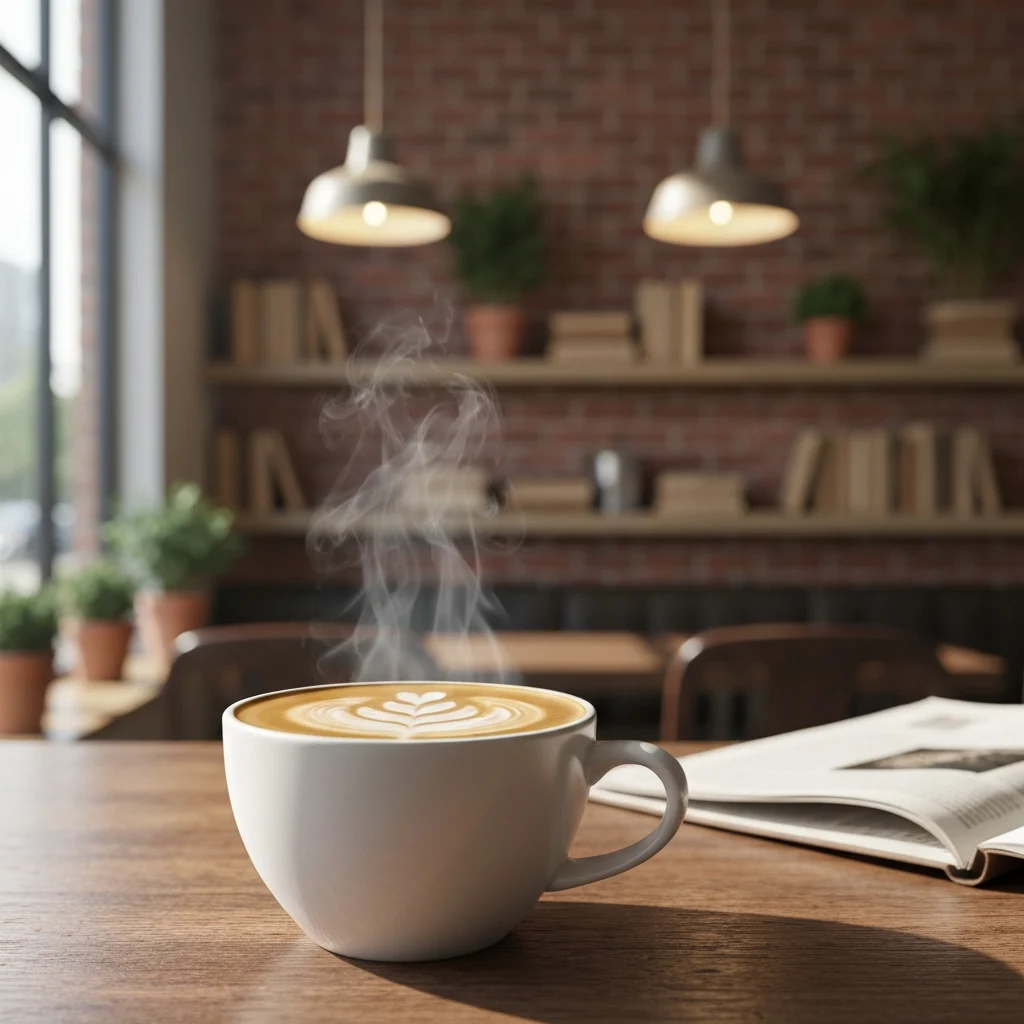
Quick answer: Flavored coffee beans are made by spraying roasted, cooled beans with flavoring oils (natural extracts such as vanilla, or synthetic flavor compounds) and tumbling them so the coating is even. Some producers instead grind powdered flavor blocks in with the beans. At home you can flavor beans with whole spices, extracts or a whiskey soak.
All coffee has natural flavor notes; the Specialty Coffee Association’s flavor wheel maps them. Flavored coffee beans are different: their vanilla, hazelnut or pumpkin spice taste is added after roasting. Here is how that works, how to do it at home, and what to know before you buy.
In this guide 7 sections
How Are Coffee Beans Flavored?
The natural flavors coffee beans possess come from the climate, geography, terroir, bean varietal, growing conditions, processing methods, and roasting type. How they are brewed matters too.
But with artificially flavored beans, the process is a bit different. Flavoring oils, both natural and synthetic, are added to the beans. The flavoring oils are usually flavor extracts like vanilla extract or cocoa bean extract. There are also artificial flavor agents.
These flavorings are made commercially, and a single flavor can need dozens of different compounds. Flavors are often chosen which can ameliorate coffee’s more bitter, acidic, or harsh flavors or notes while also not meddling with the natural aromatics of the beans. They are also tested so they do not react badly with other ingredients or the packaging.
The flavor oils are added on to the beans after they are roasted. Special attention is paid to the roast type and how the flavors will interact with the newly roasted flavors and aromas. For example, dark roasts are generally not paired with sweeter flavor oils because the heavy dark roast flavor will eclipse that sweeter taste too easily.
The beans are cooled before the flavor oils are added so the heat does not destroy some of the flavor compounds. Water cooling (quenching) is sometimes used, which can strip out some of the beans’ own aromas.
The flavors are added to the roasted beans before grinding and are sprayed on the beans. Once sprayed the beans are shaken about to make sure the coating is even on each bean. There is also the curious case of solid flavor blocks being ground up with the whole beans. These flavor blocks are usually condensed into starch or powder and then thrown into the grinders with the beans.
How to Flavor Your Coffee Beans at Home
You don’t need factory equipment to make flavored coffee at home.
- Add ground spices right in with your prepared grounds. Around the world, especially in Africa and the Middle East, spiced coffee with ingredients such as cardamom is traditional.
- You can also mix in some spices with your whole beans. This allows them to absorb some of those keen flavors. Cinnamon sticks, whole cloves, or whatever spices you’d like. And if you store them for longer the stronger the final flavor will be!
- Check your spice shelf for any flavoring oils you might have. Just spritz your beans with some flavoring oils on hand and let ’em sit. The longer they sit and stew in their own flavors, the better they will turn out.
How do you make whiskey-flavored coffee beans?
Commercial whiskey-flavored coffee beans exist. Some attain their whiskey flavor is by being allowed to age a bit in whiskey barrels.
To infuse your own, you only need a jar, whole beans and your favorite whiskey (bourbon is a popular choice).
- Pour the whiskey into a jar.
- Add your beans and give the whole thing a good stir or two.
- Now, place your jar in the fridge or another area that is cool and devoid of light.
- Wait 24 hours, then use your whiskey coffee beans.
Are flavored coffee beans better than flavored syrup?
Flavored beans are flavored after roasting and before grinding, while flavor syrup (usually sugar-based) is added to coffee after brewing.
Regular syrups add sugar and calories to every cup; flavored beans add flavor with no sugar.
The downside of flavored beans is your equipment: the oils can make a mess of your grinder and brewer. The flavors on the beans are good in your coffee, but not when you plan on brewing or grinding something else entirely. A pumpkin spice flavor can linger into every cup you make afterward, because the oil leaves a sticky residue on whatever it touches. Many people keep a separate grinder for flavored beans.
Is flavored coffee safe to drink?
For drinkers, yes: flavorings used in food must be approved for food use. Many flavor oils use propylene glycol as a carrier. It is sometimes alarmingly described as an “antifreeze ingredient”, but the FDA lists food-grade propylene glycol as generally recognized as safe for food use.
The real risk is to workers. Breathing flavoring chemicals such as diacetyl and 2,3-pentanedione at high levels is linked to a serious lung disease (obliterative bronchiolitis), and a NIOSH study of coffee facilities found the highest exposures among workers in flavored-coffee production areas.
A bigger issue for drinkers is quality: flavored coffee is often made from cheaper beans, because good beans don’t need the help. For better unflavored options, see our pick of the best whole coffee beans.
Should you try flavored coffee beans?
If you are curious, brew a cup and see. If you would rather avoid them, flavor your own at home with spices, extracts or a little honey, or explore the natural flavors of single origin coffee.
Frequently asked questions
Are flavored coffee beans artificial?
Some are and some are not. Flavor oils can be natural extracts, such as vanilla or cocoa, or synthetic flavor compounds; the label should say which.
Do flavored coffee beans have sugar?
Flavored beans are coated with flavor oils, not sugar syrup, so the sweetness you taste is mostly aroma. Flavored syrups added after brewing are where the sugar comes in.
Can I grind flavored beans in my regular grinder?
You can, but the oils leave a residue that can carry the flavor into later batches. Clean the grinder afterward or keep a separate one for flavored beans.
Sources:
- “3 Shocking Facts About Artificially Flavored Coffee.” Camano Island Coffee, camanoislandcoffee.com/3-shocking-facts-artificially-flavored-coffee/.
- “4 Ways to Add Flavor to Your Coffee before You Brew It.” Death Wish Coffee Company, www.deathwishcoffee.com/blogs/news/flavor-before-brewing.
- Clayton, Liz. “The Dark Side of Flavored Coffee.” Serious Eats, Serious Eats, 9 Aug. 2018, drinks.seriouseats.com/2013/02/the-dark-side-of-flavored-coffee-how-flavored-coffee-is-made.html.
- “Flavored Coffee Bean.” How Products Are Made, www.madehow.com/Volume-3/Flavored-Coffee-Bean.html.
- “Flavoured Coffee Methods: Syrups vs Flavoured Beans.” Aquaspresso, 27 Oct. 2017, www.aquaspresso.co.za/flavoured-coffee-methods-syrups-vs-flavoured-beans/.
Share this guide
See more Coffee Informer on Google. Add us as a preferred source and our guides show up more in your Top Stories and AI results.
Add as a preferred source on Google
I used to add cinnamon to my coffee to flavor it but then I discovered flavored coffee beans! I love trying all the weird and wonderful flavors coming out but always make sure I opt for brands that use high quality beans and freshly roast them
I really don’t understand why one would want to artificially favour coffee. Whereas good quality beans have amazing natural favour profiles. Its simple buy quality you will really enjoy the difference…
Someone gave me a huge box of bourbon flavored coffee beans. It’s OK once in a while, but is there any way to remove the flavoring for daily use?